Best & Popular Tattoo Styles Explained (Oakville & the GTA)
The popular tattoo styles people actually search (Traditional, Neo-Traditional, Japanese/Irezumi, black-and-grey realism, fine line, blackwork, watercolor, geometric, and script) are visual languages, not a ranked trophy list. There is no universal “best” tattoo style: bold outlines usually age with more margin, while thin and wash work need space, scale, and a specialist. This guide maps the looks side by side for Oakville, Toronto, and the GTA, then shows who tattoos what at Zen Tattoo Studio so you can book a complimentary consult with the right chair.
Reviewed by Austin Furtado, co-owner. Last updated: September 11, 2026. Zen Tattoo Studio, 2342 Lakeshore Rd W, Oakville.
Popular tattoo styles at a glance
If you typed “best tattoo styles,” “popular tattoo styles,” or “tattoo styles,” this is the short map. The table and sections below go deeper.
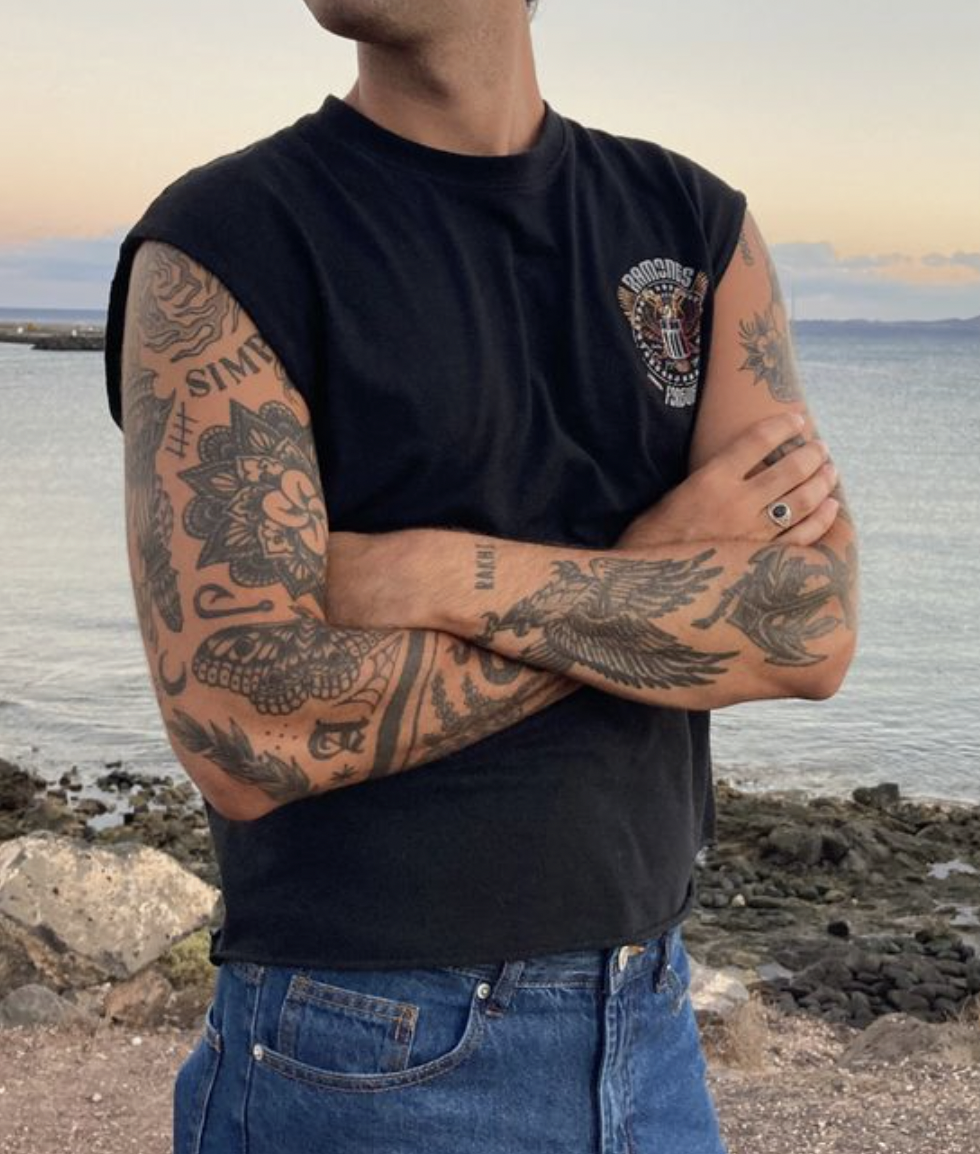
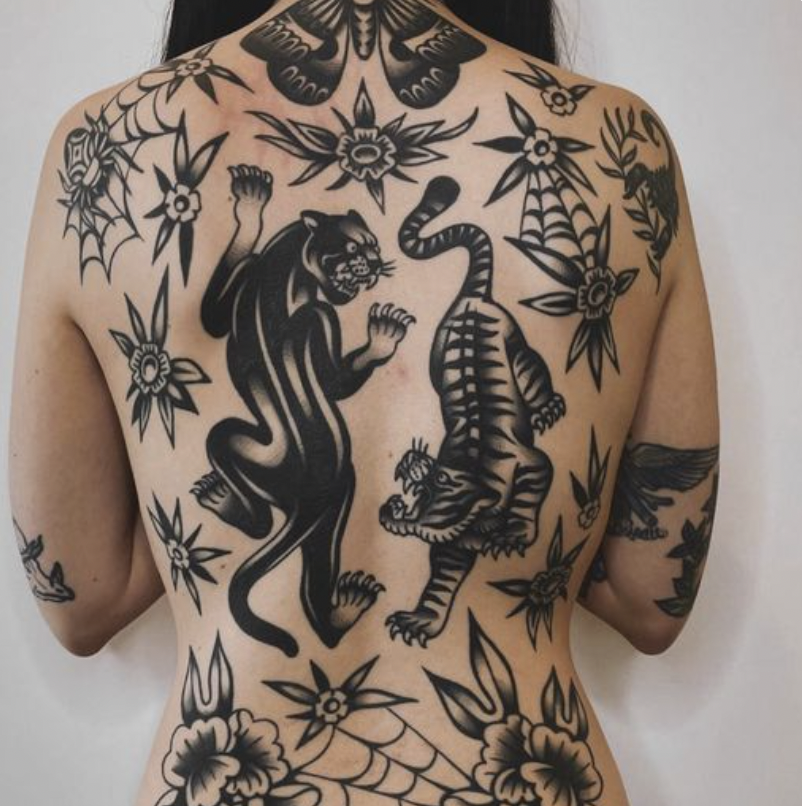
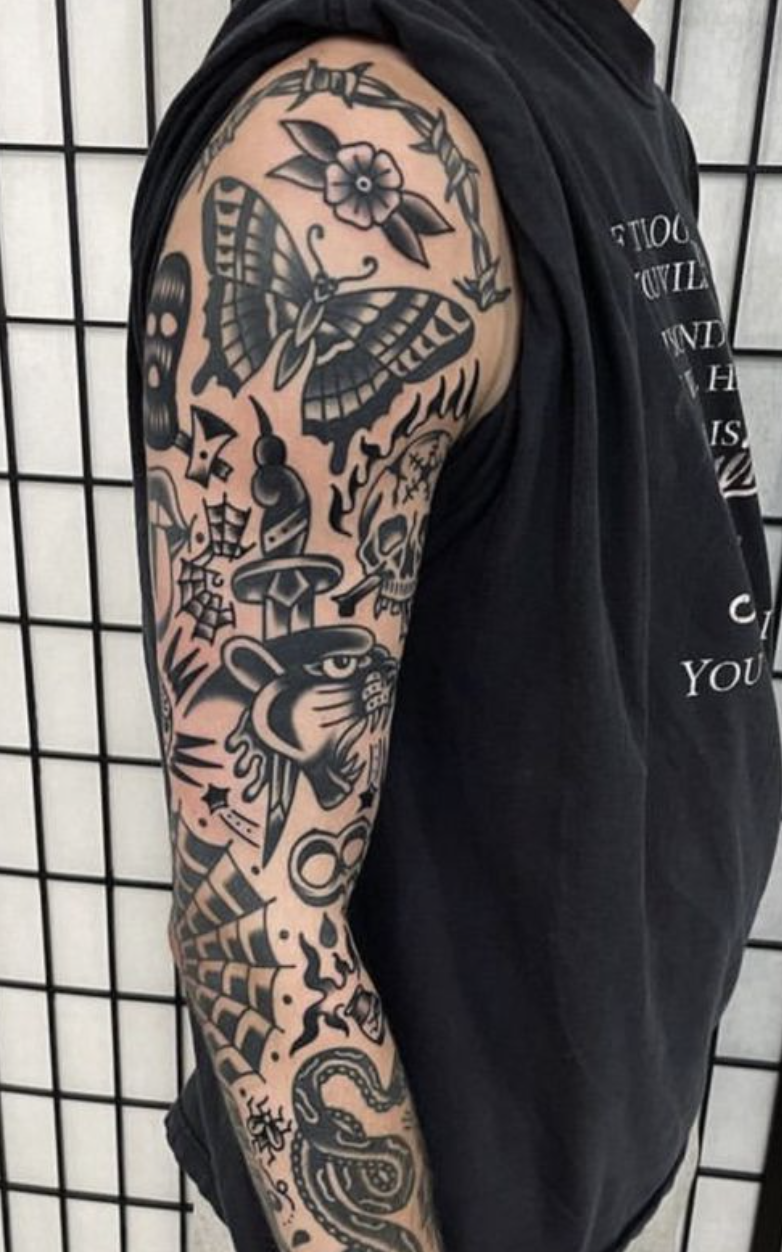
- American Traditional - bold black outlines, limited primaries, flat color that reads from across a room.
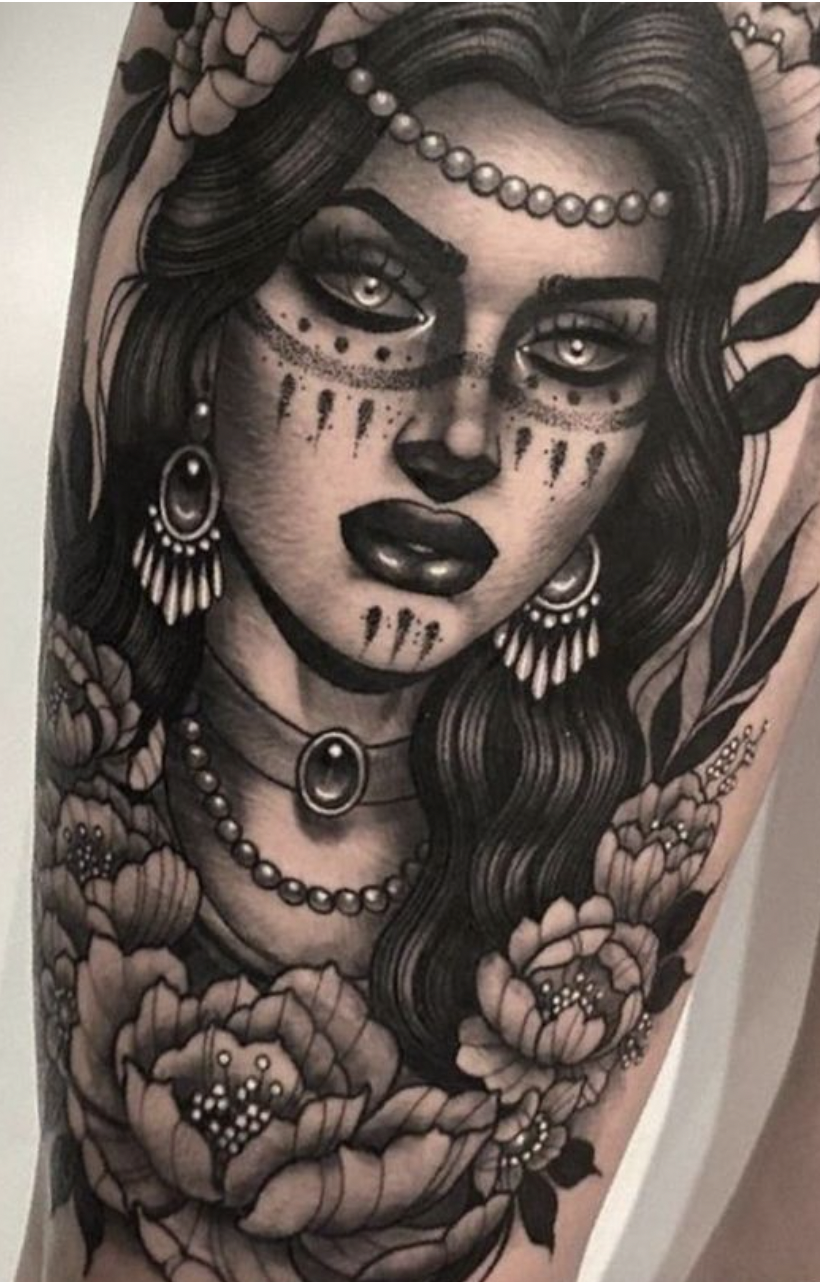
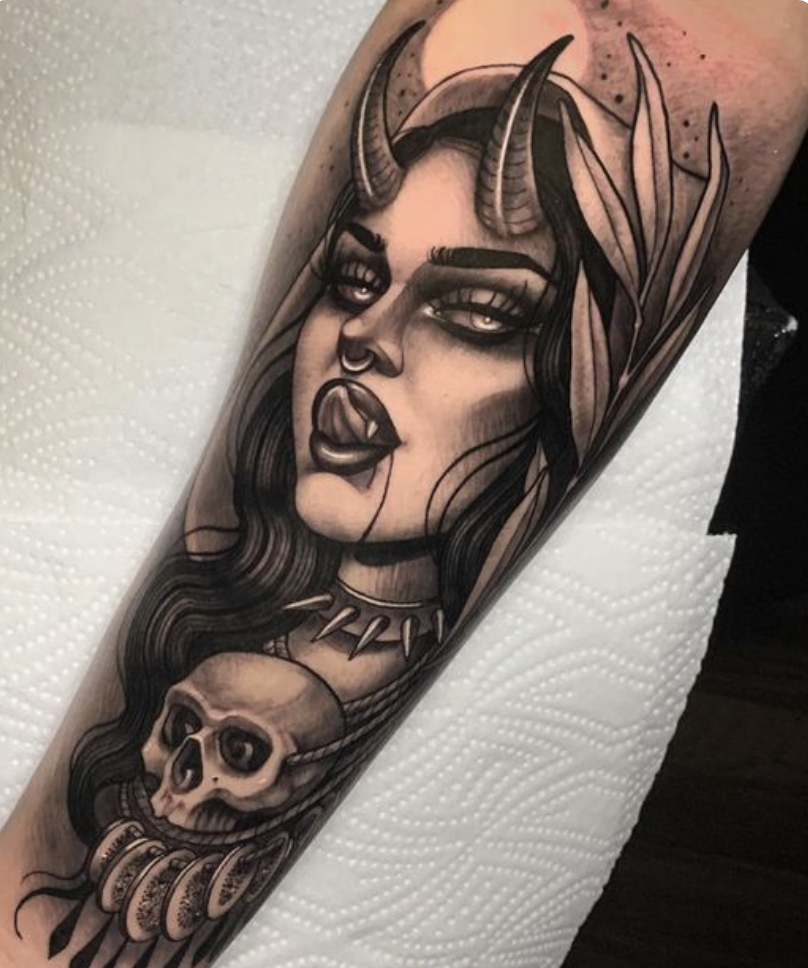
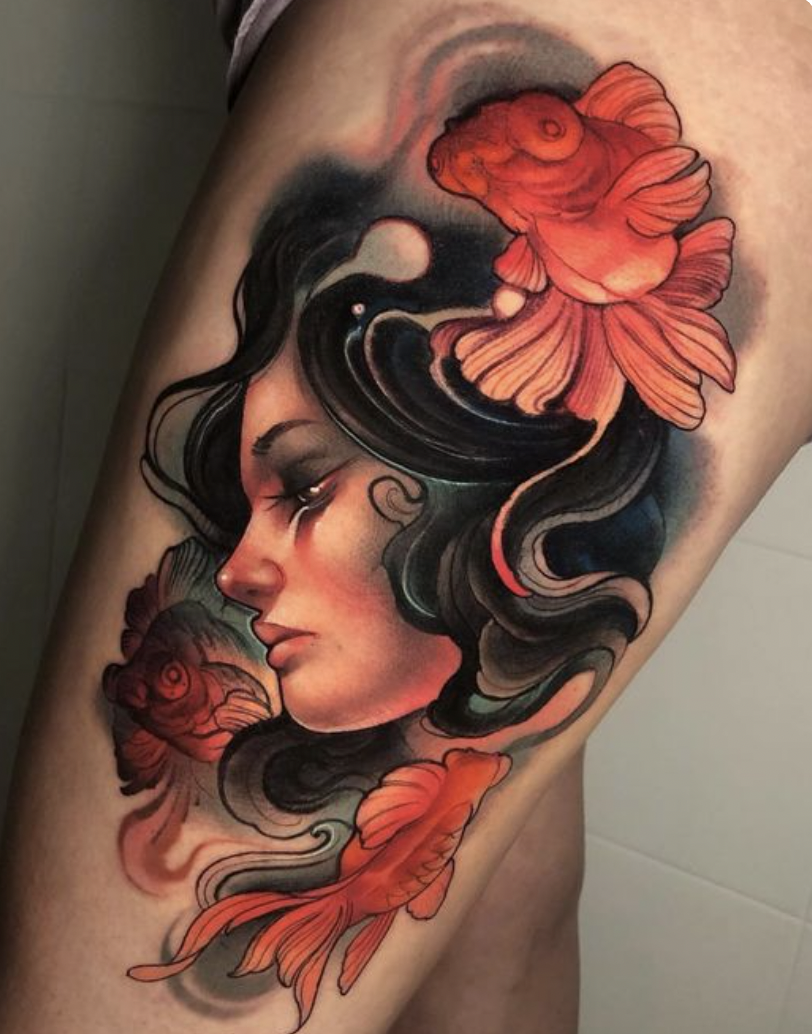
- Neo-Traditional - Traditional bones with wider palette, variable line weight, and more depth.
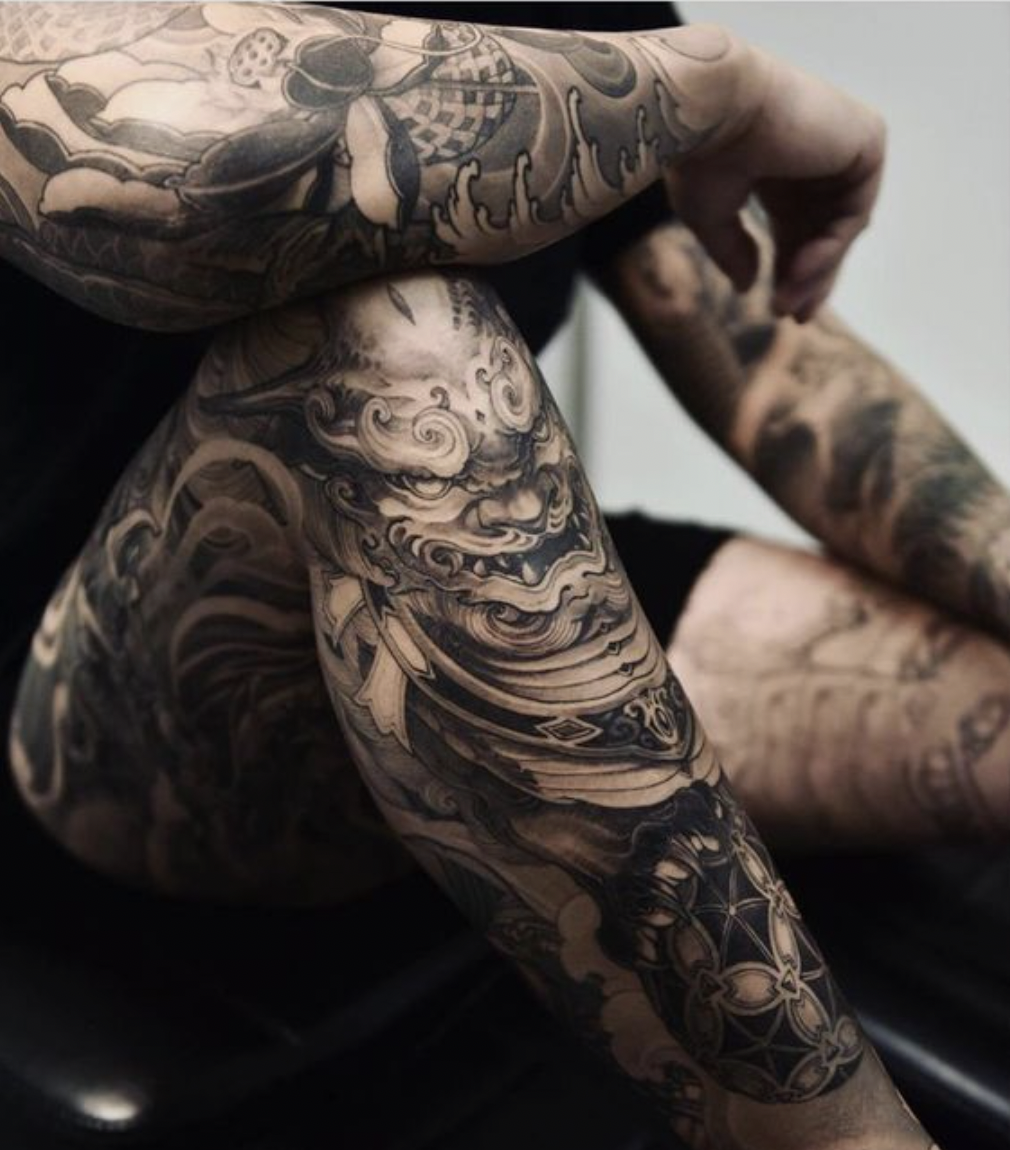
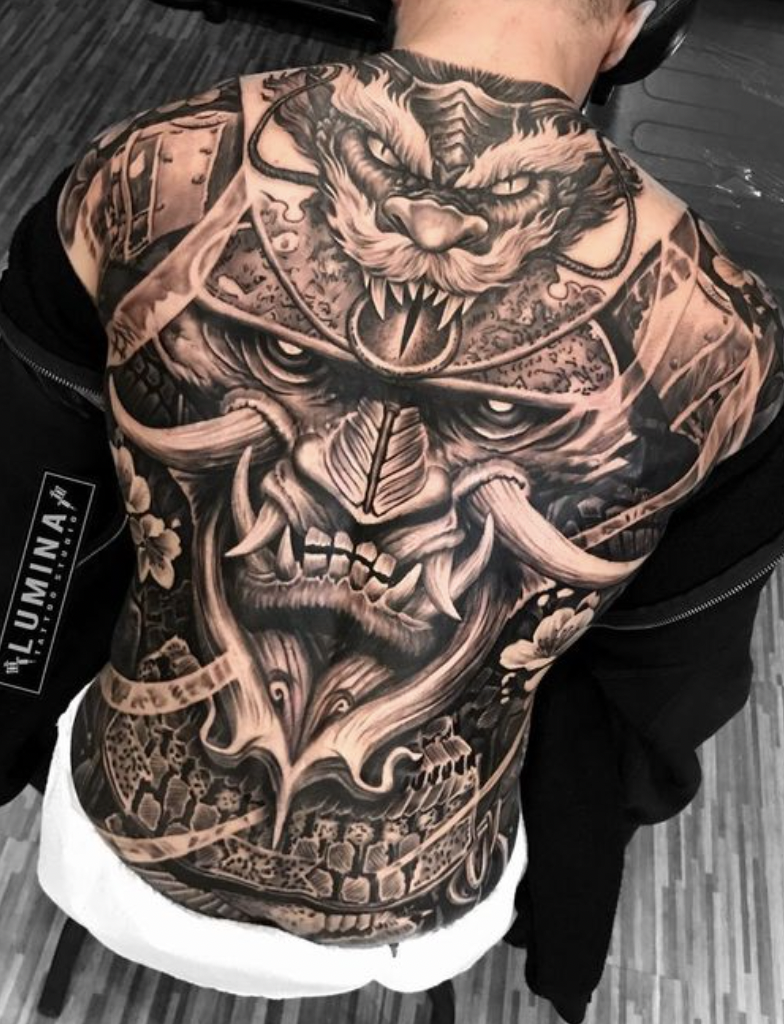
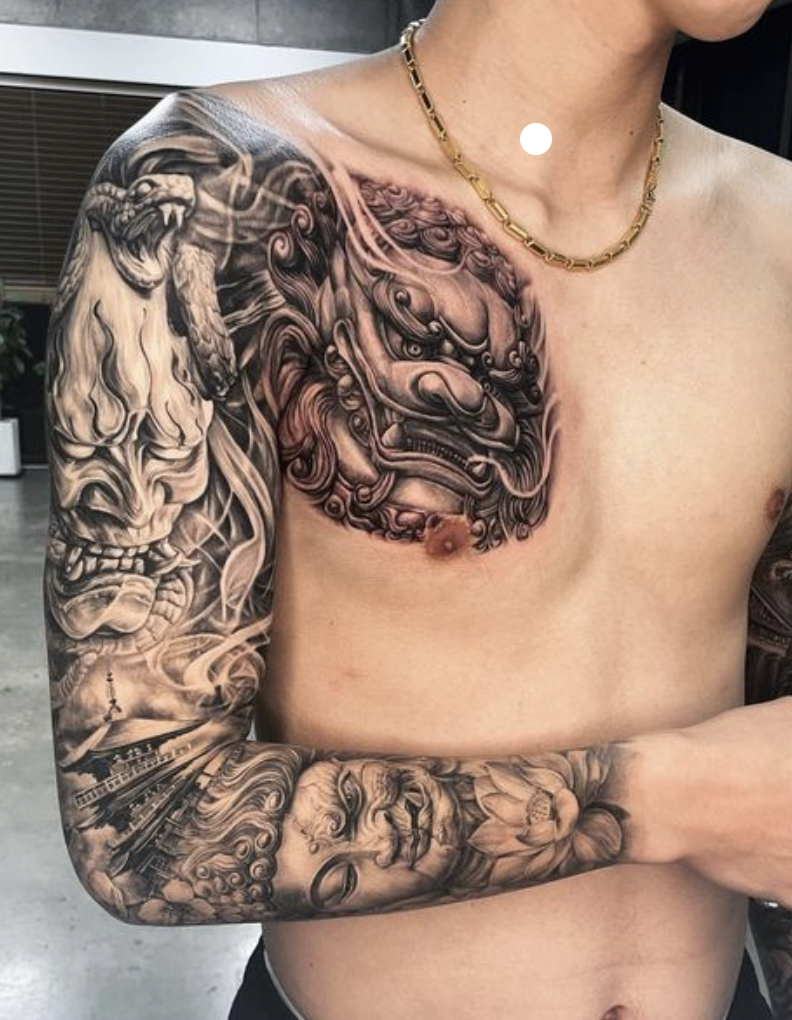
- Japanese / Irezumi - large-scale flow with wind, water, and cloud grounds (a specialist tradition, not a sticker).
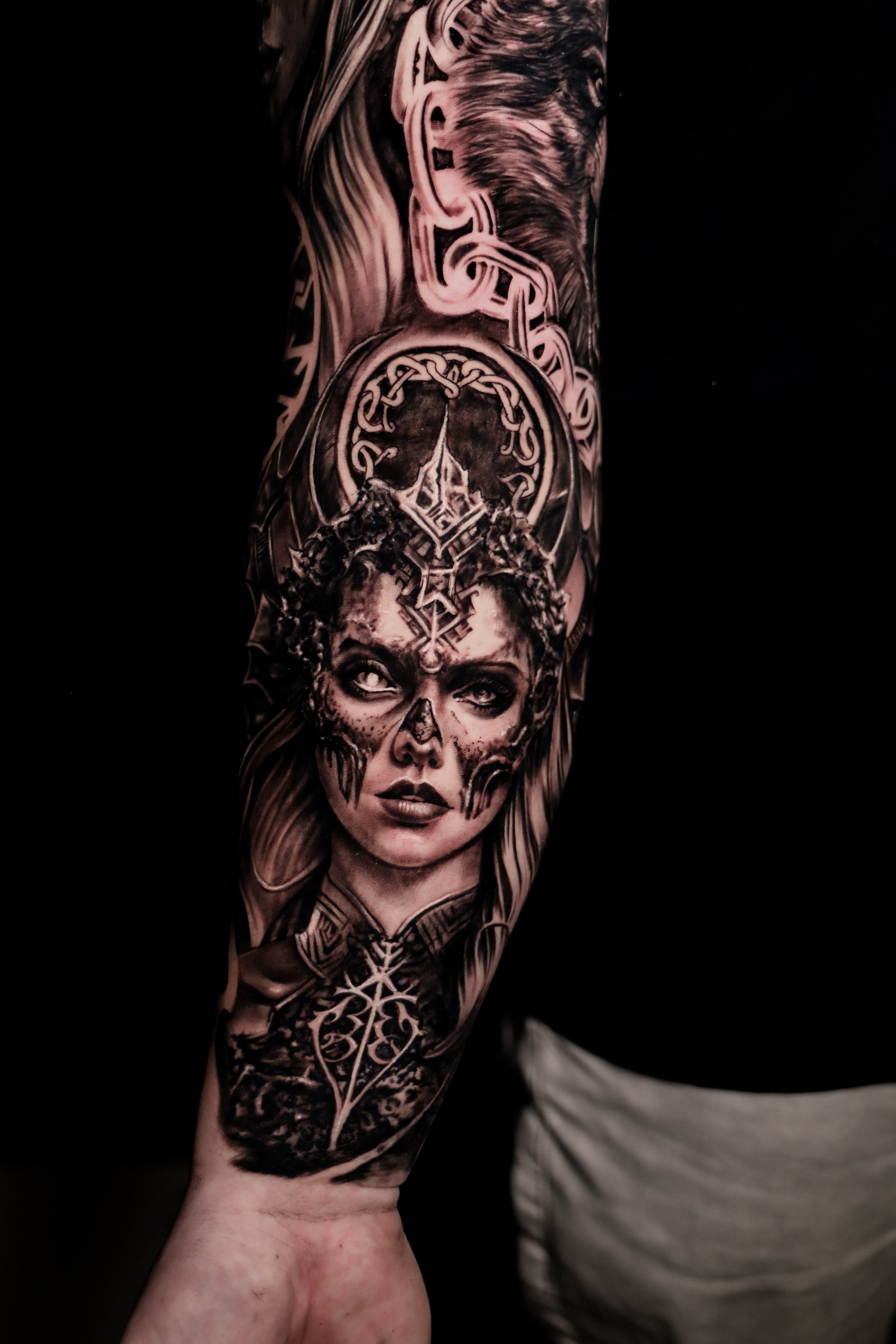
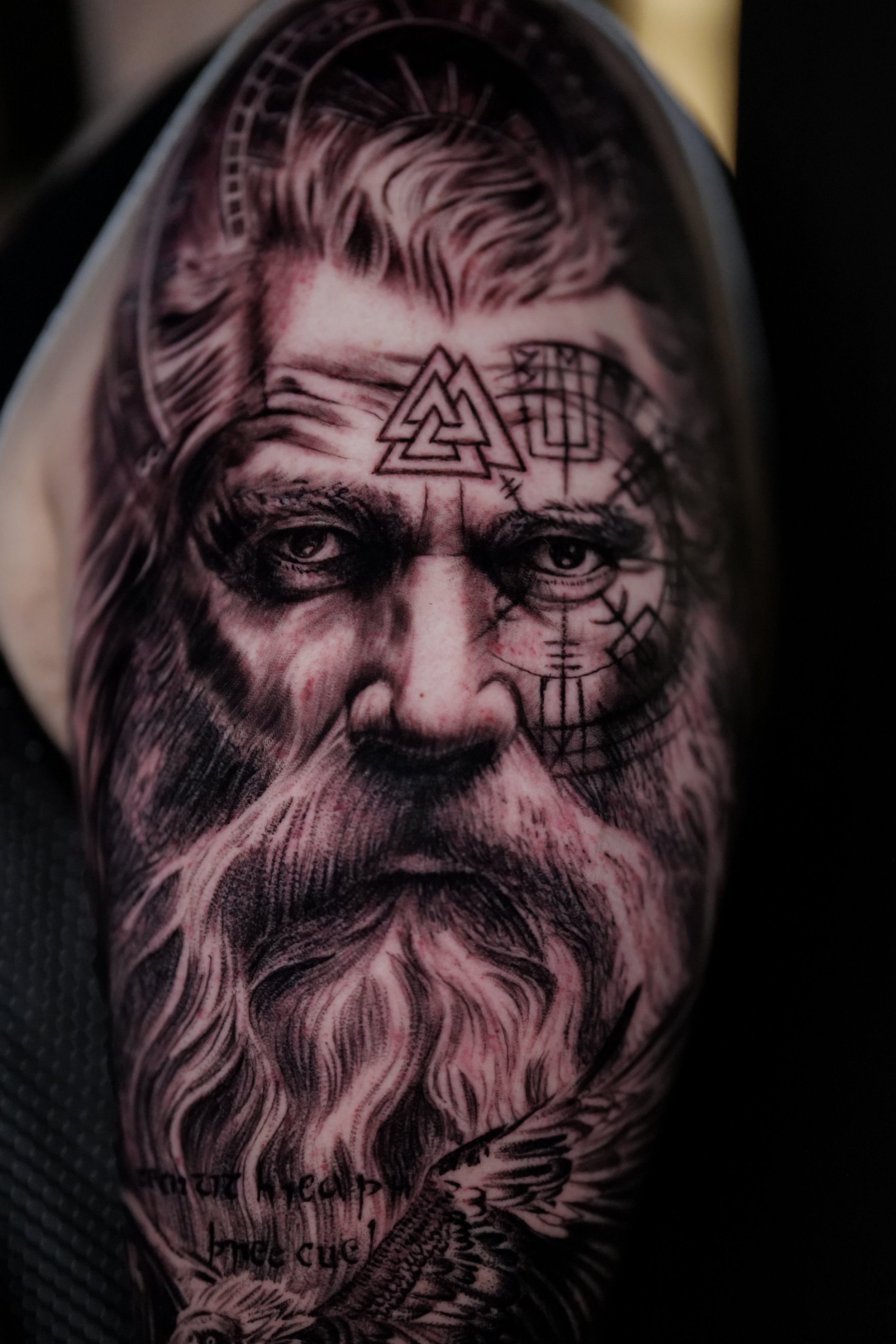
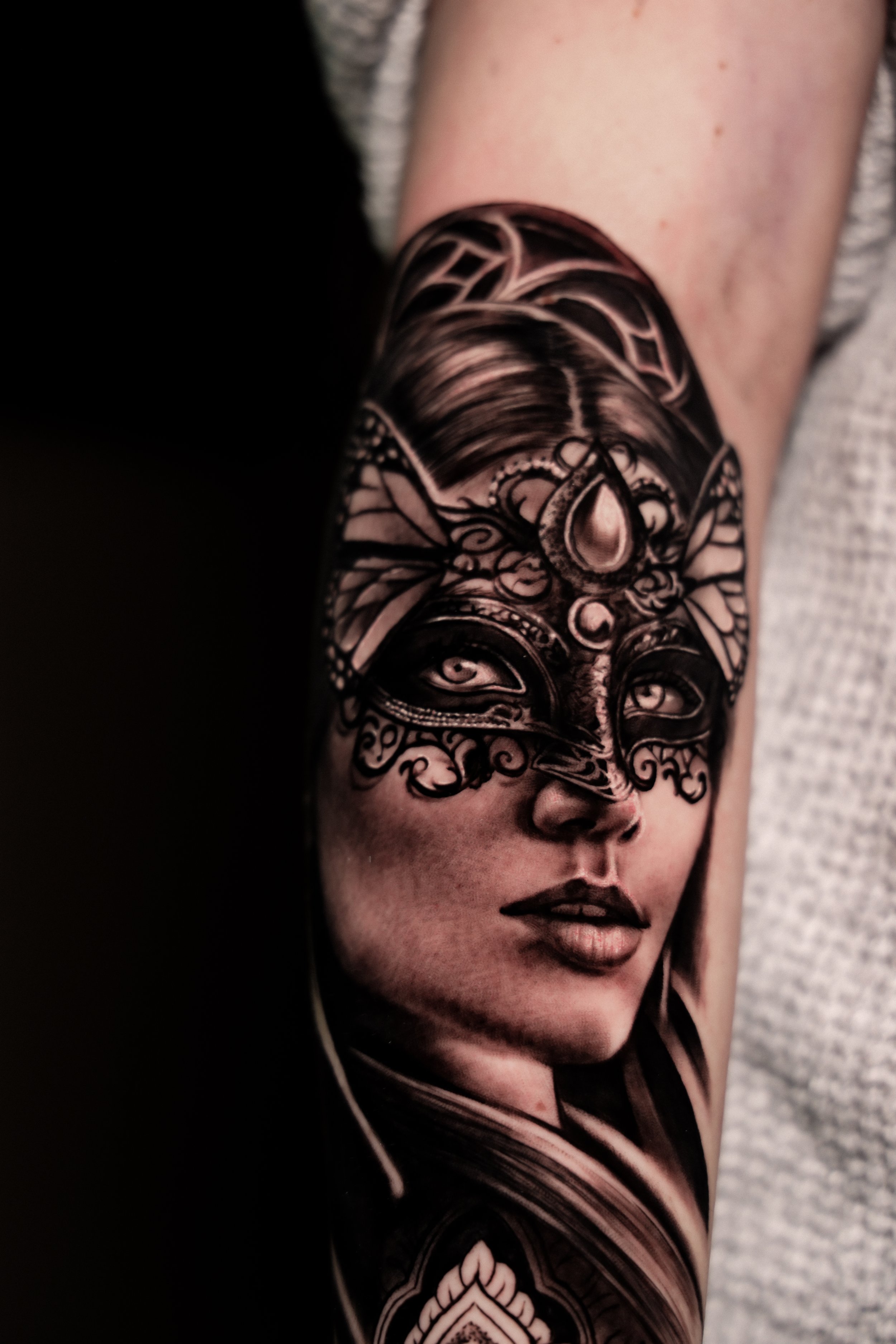
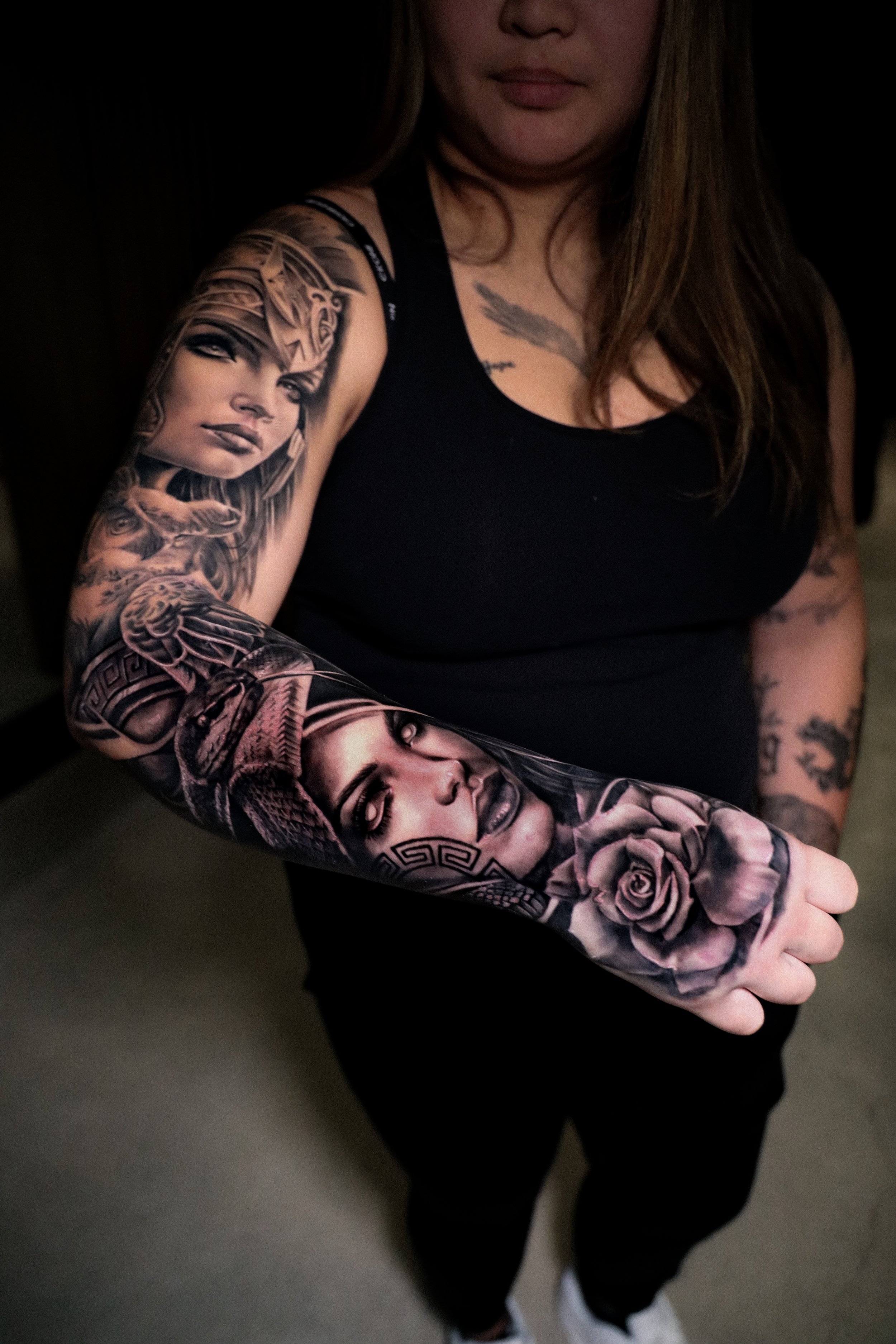
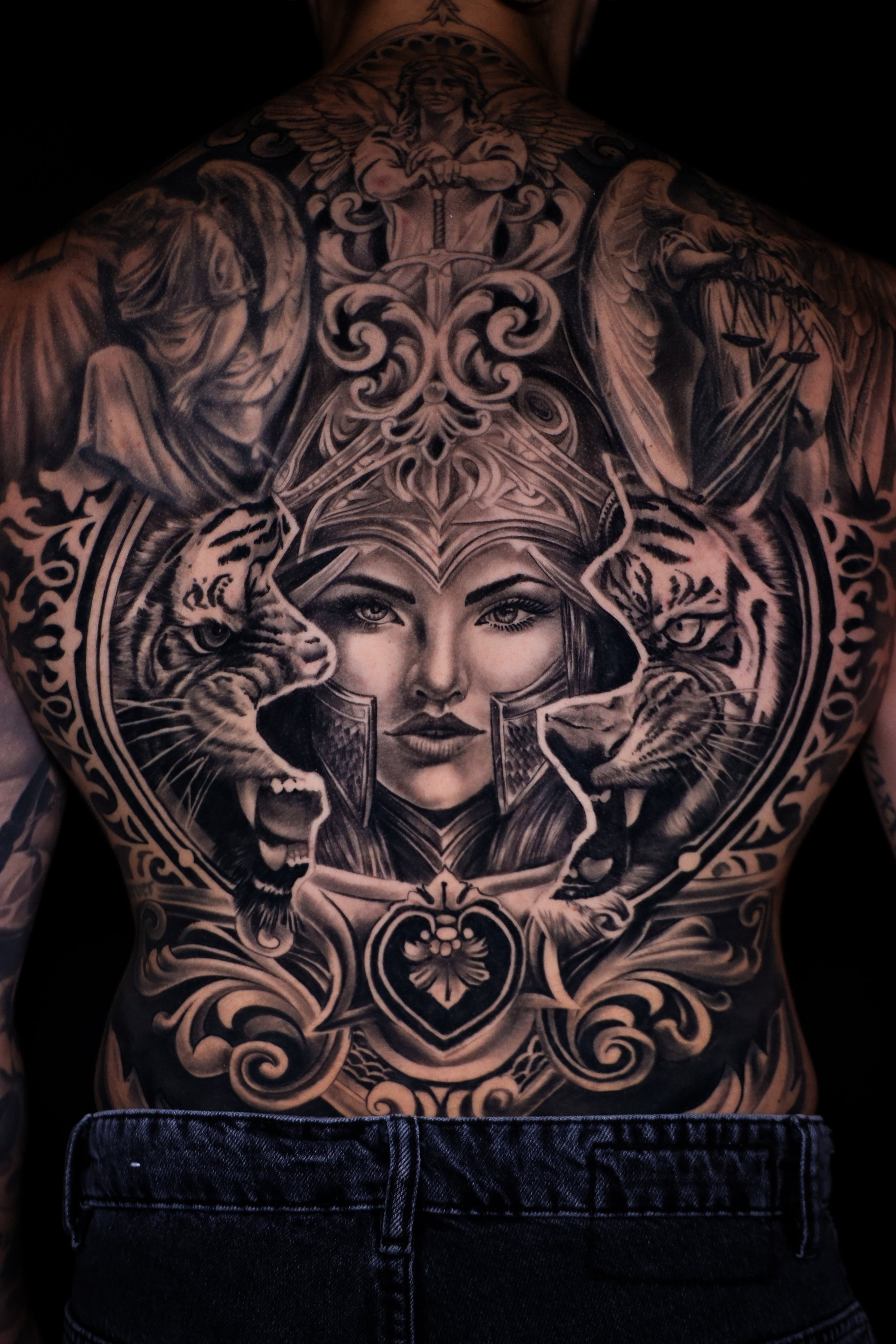
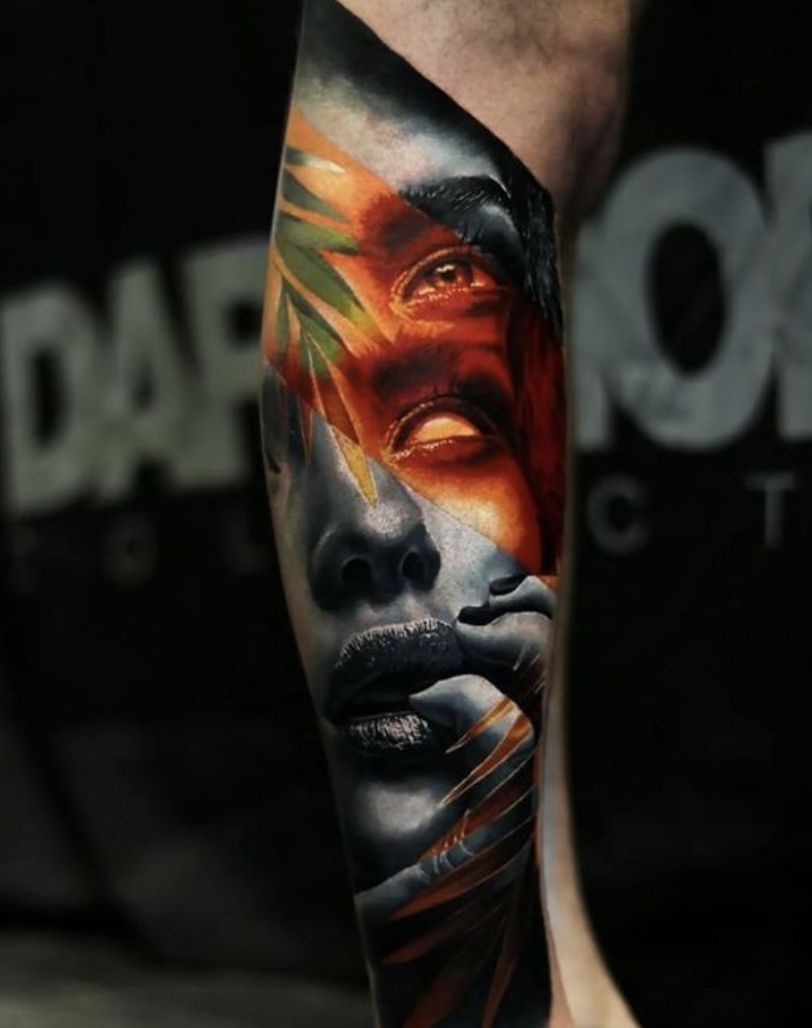
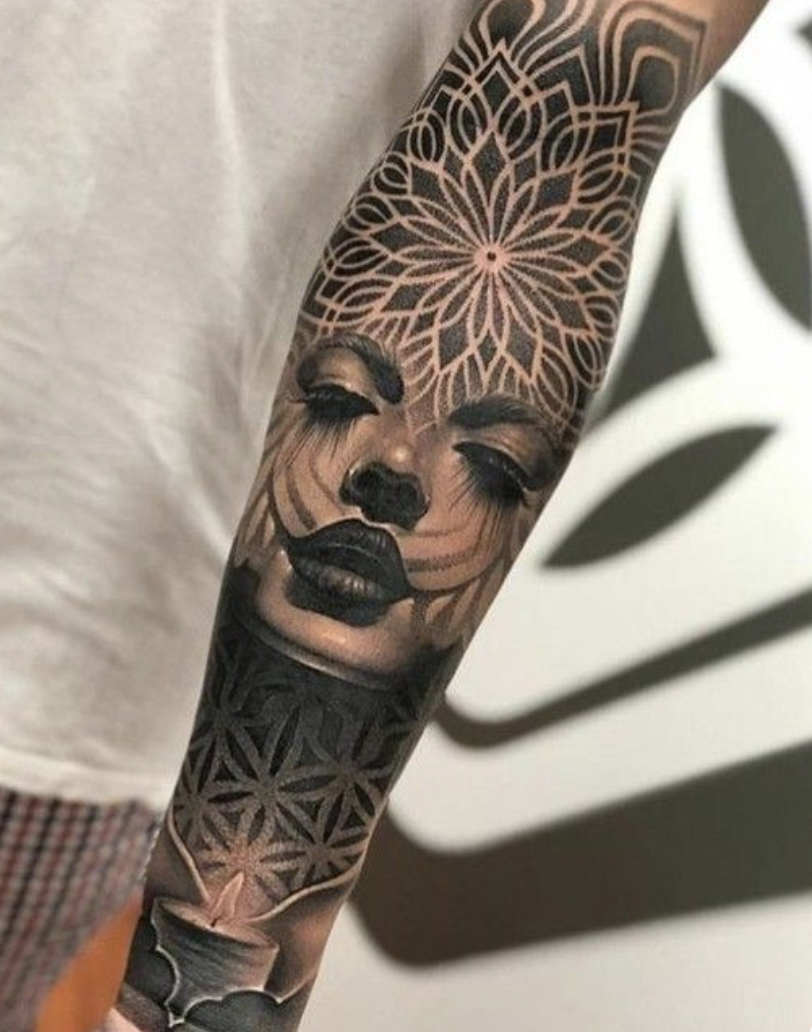
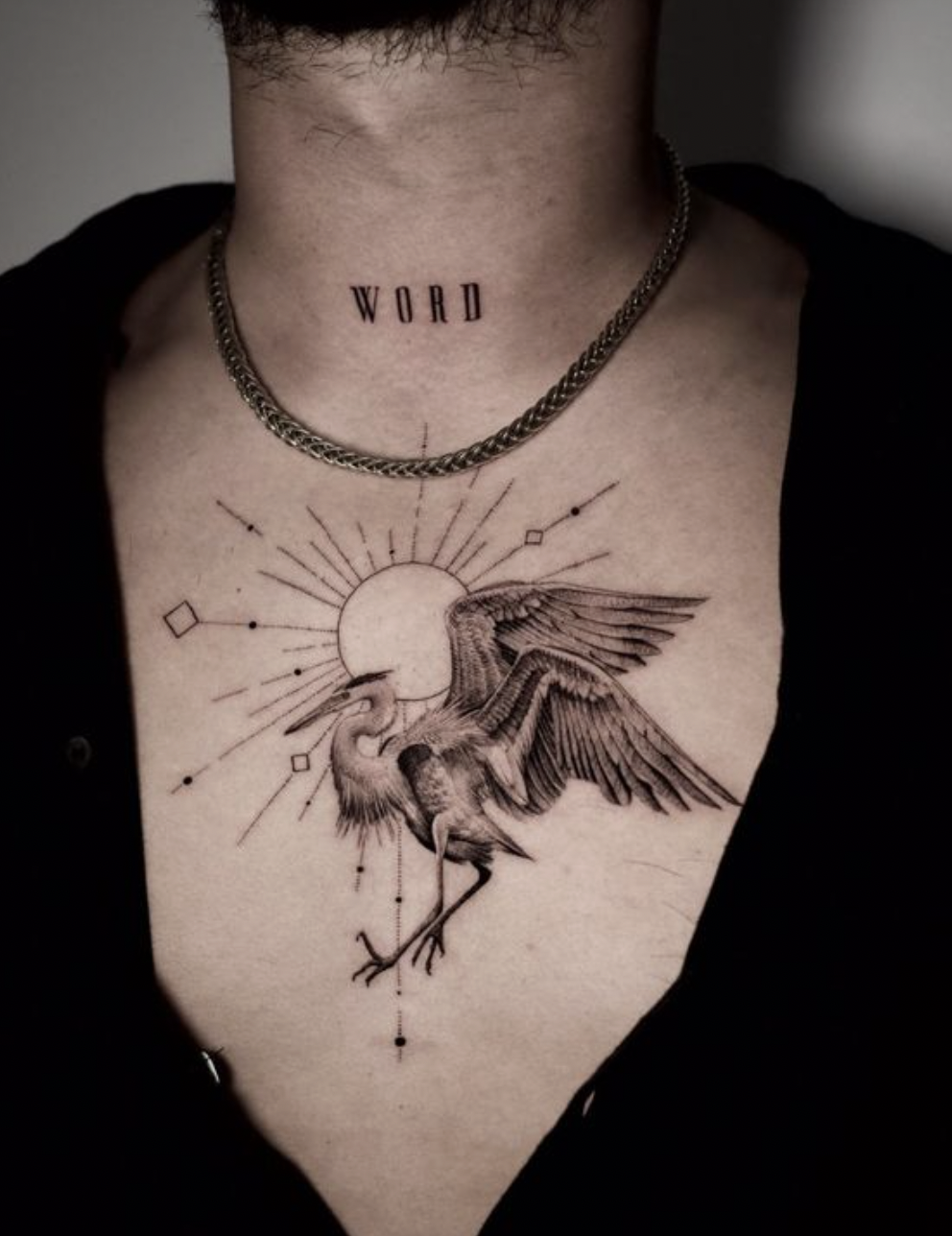
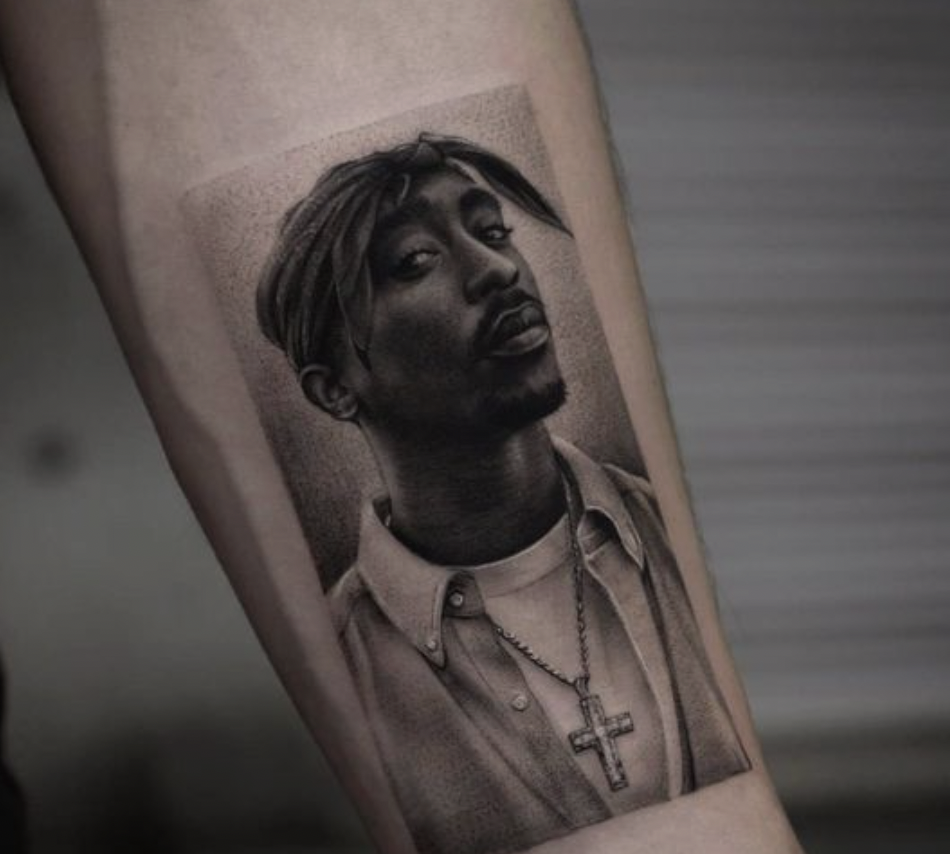
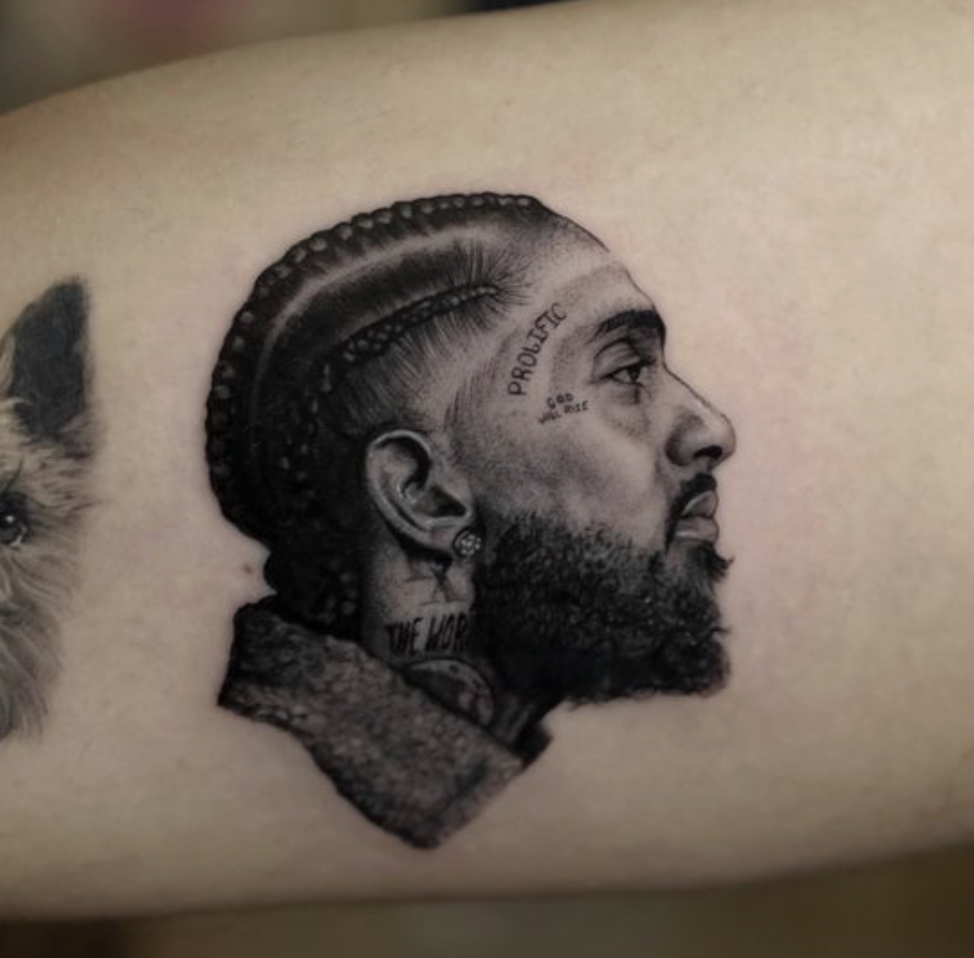
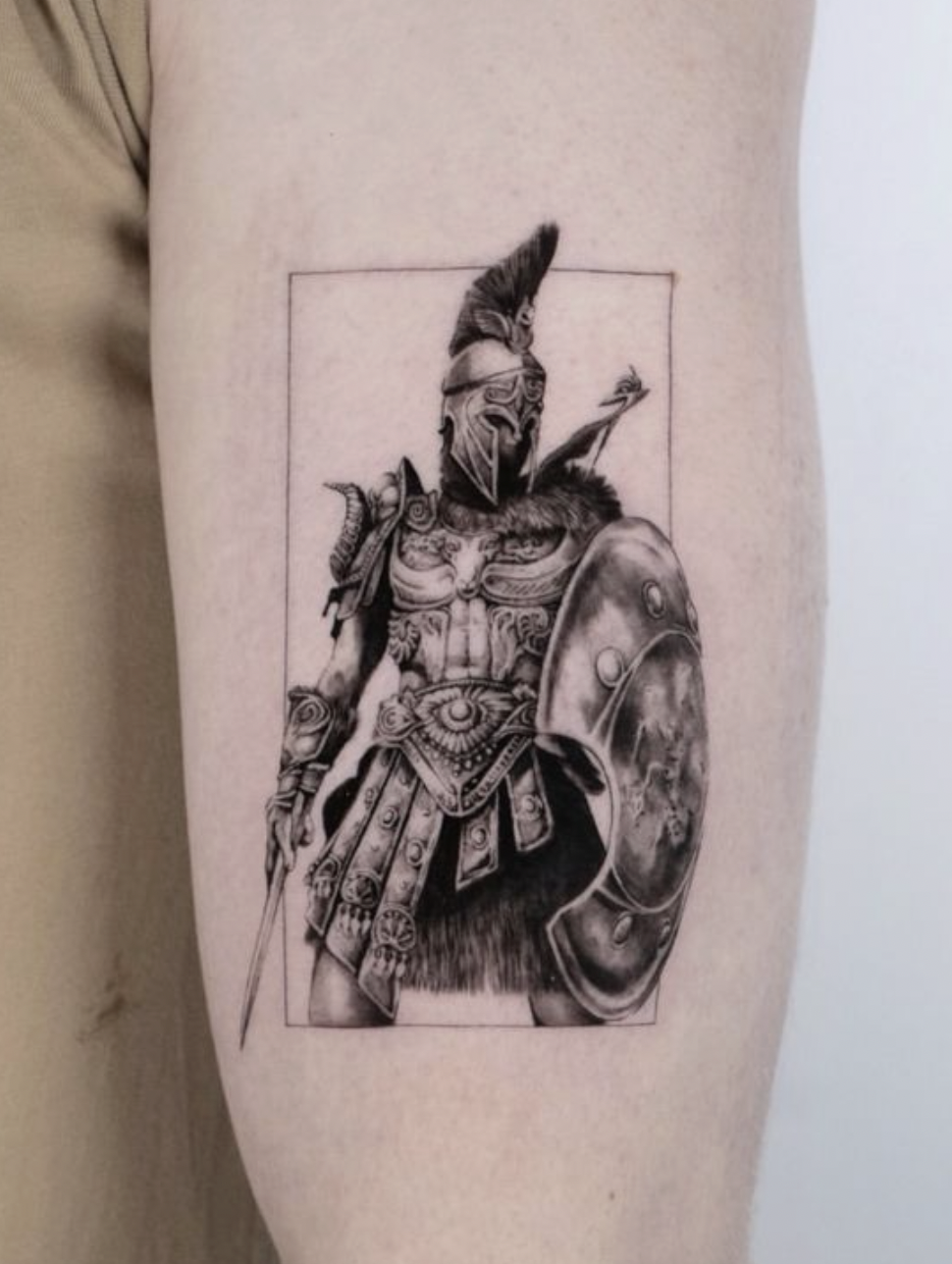
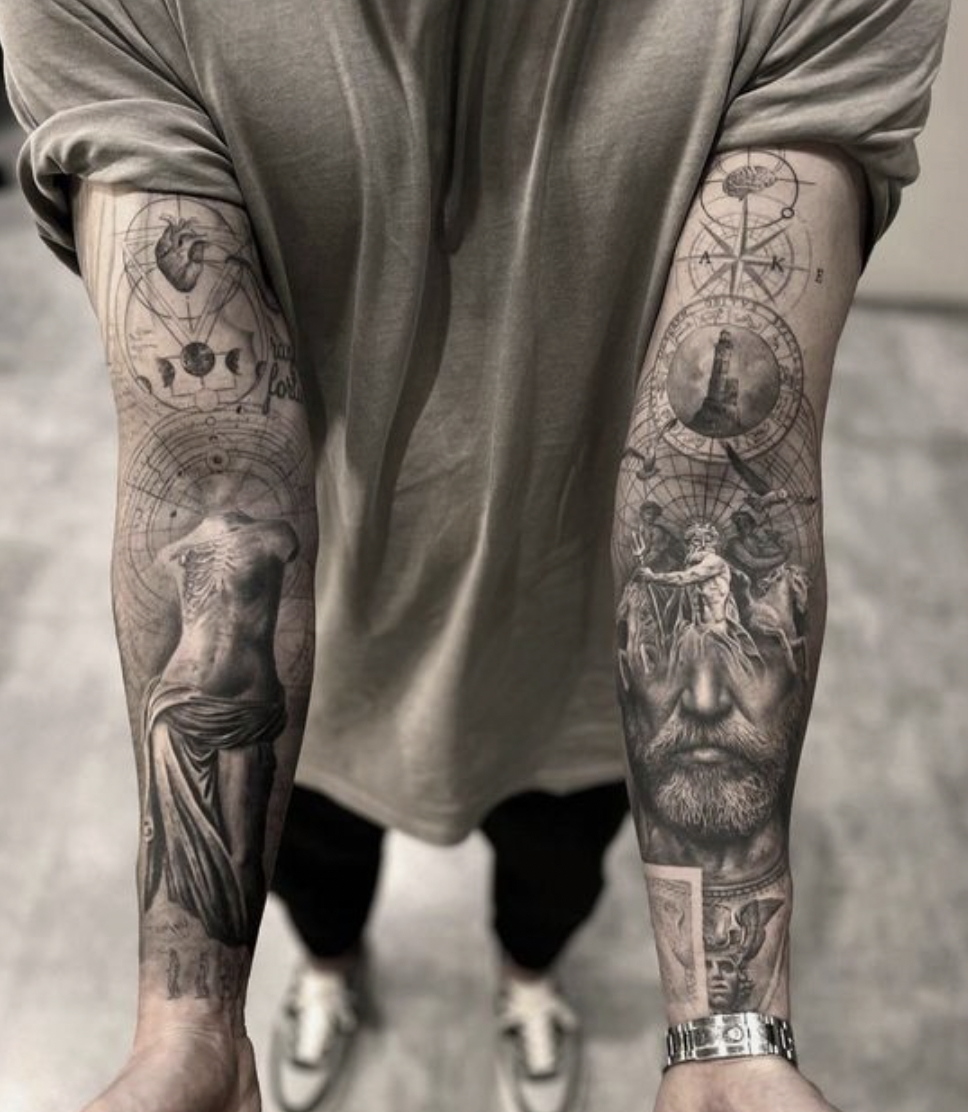
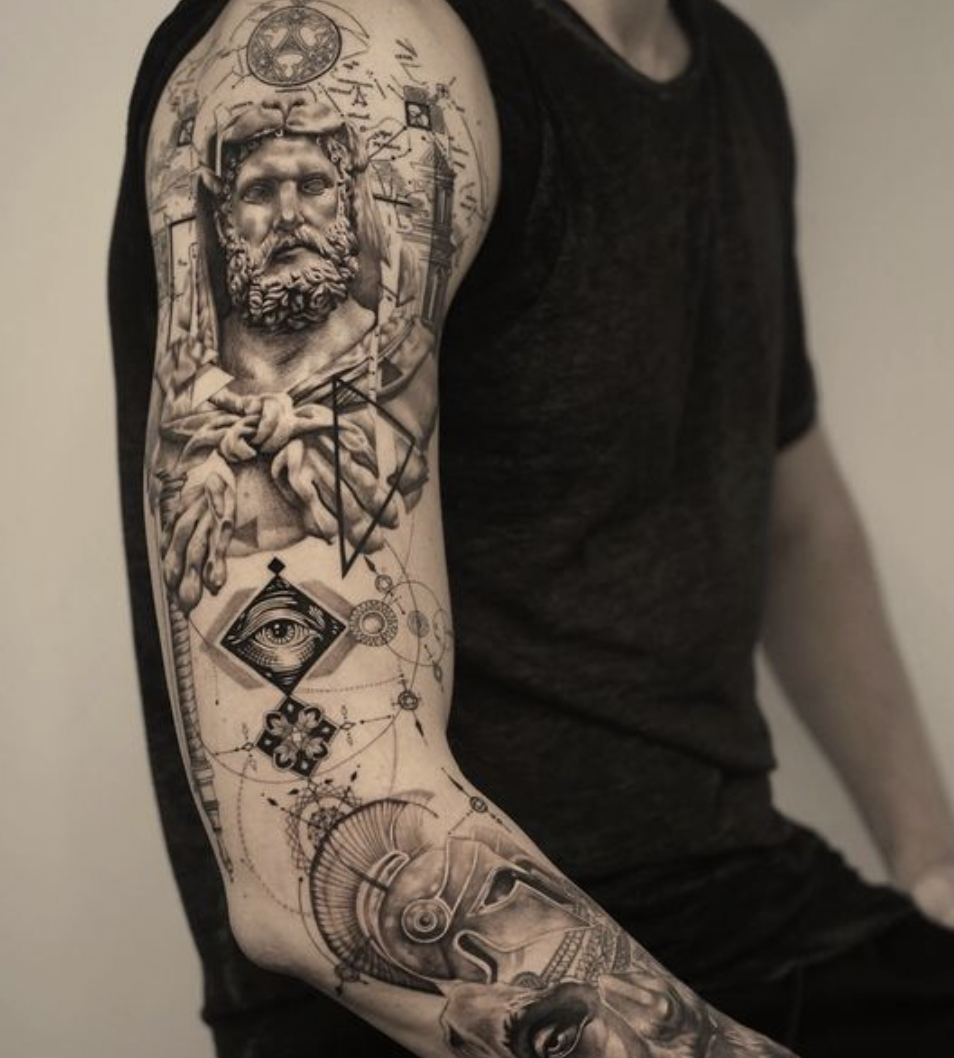
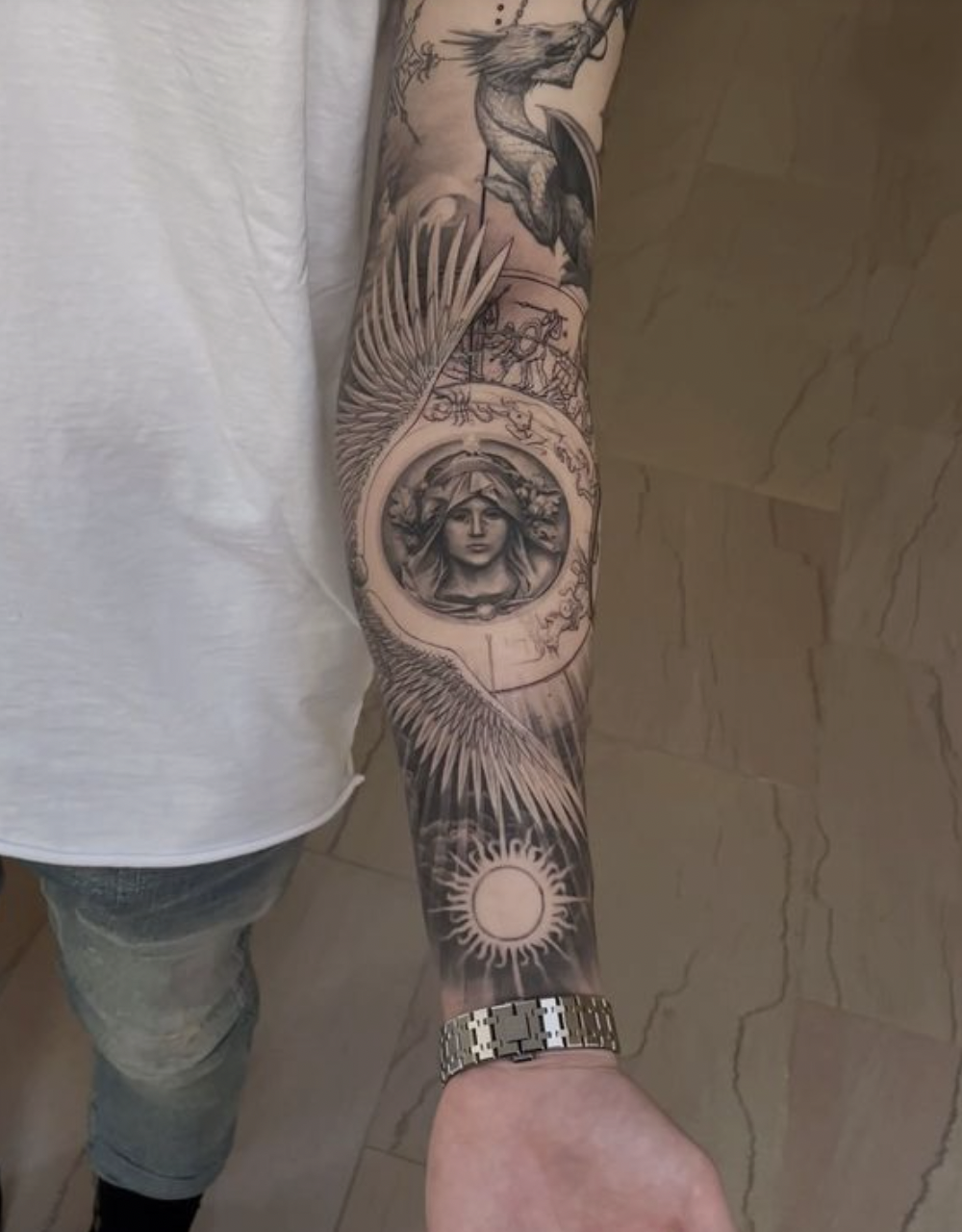
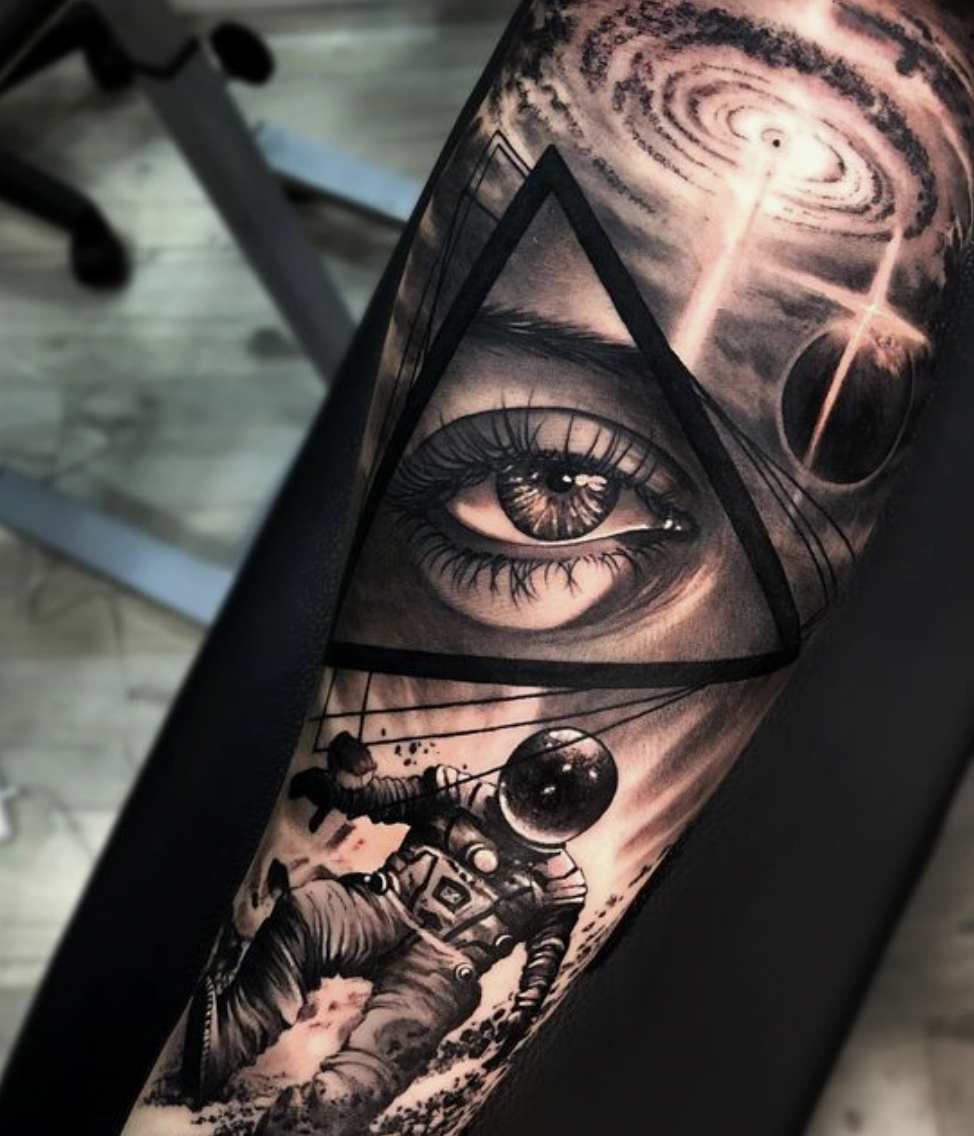
- Black-and-grey realism - light and shadow, little or no outline; the house language at Zen in Oakville.
- Fine line - hair-width drawing line; negative space is part of the design (Oxy only here).
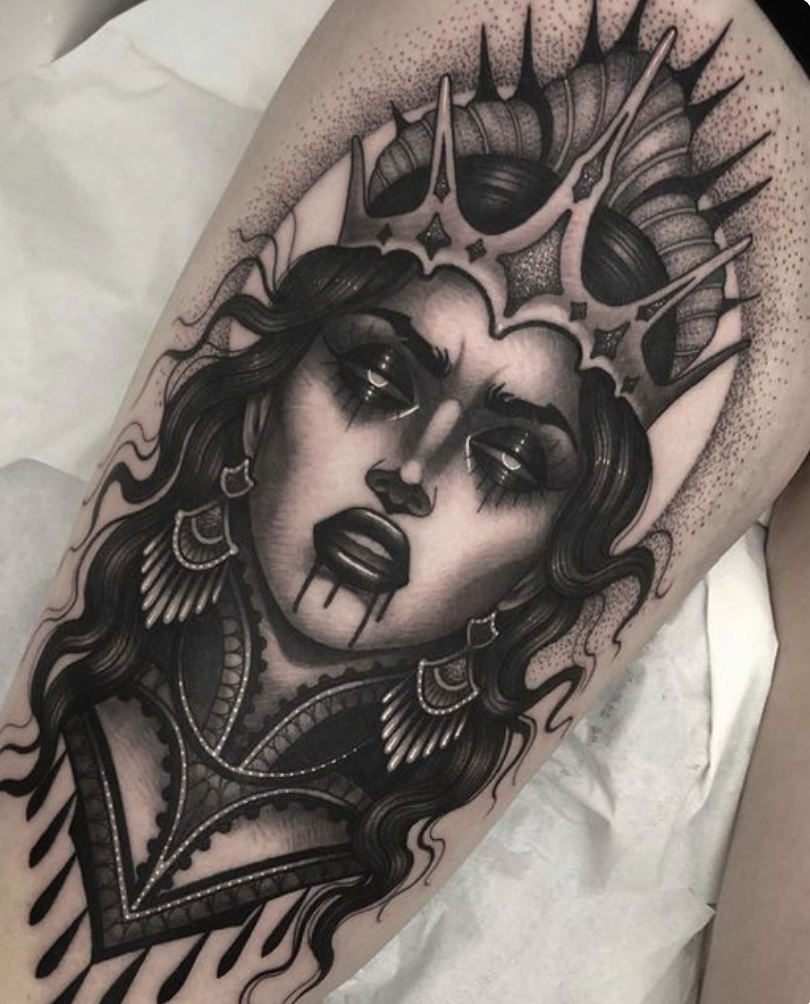
- Blackwork - graphic black, high contrast, negative space doing as much work as the ink.
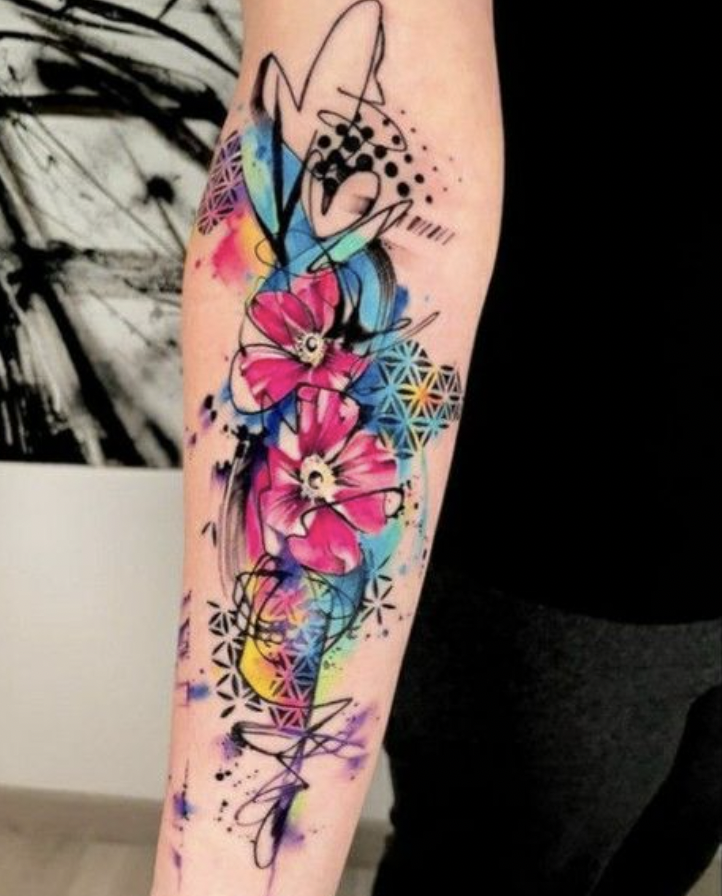
- Watercolor - soft washes and edges; often the weakest ager without a line skeleton.
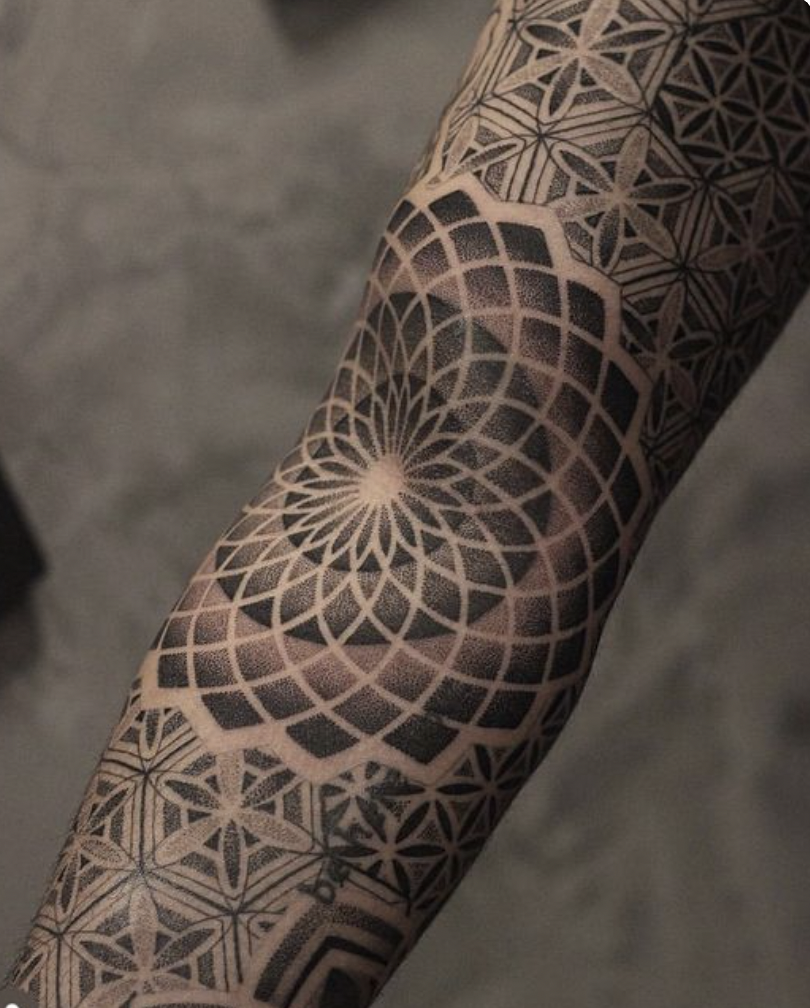
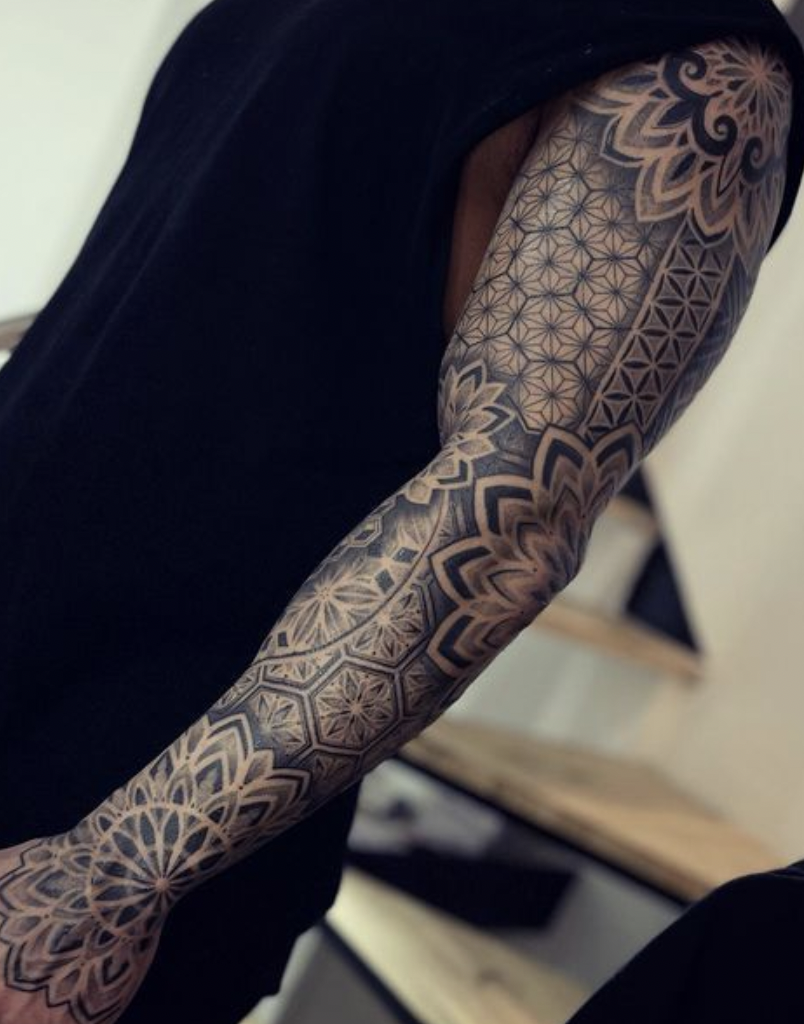
- Geometric - measured shapes and grids; aging follows the line weight.
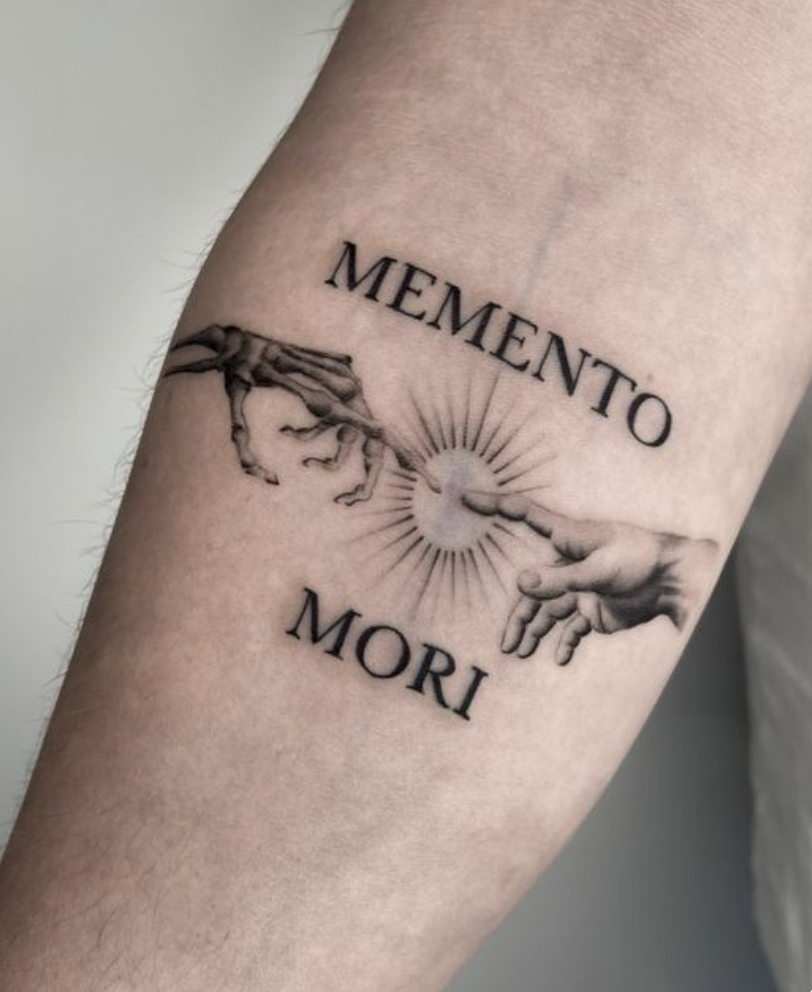
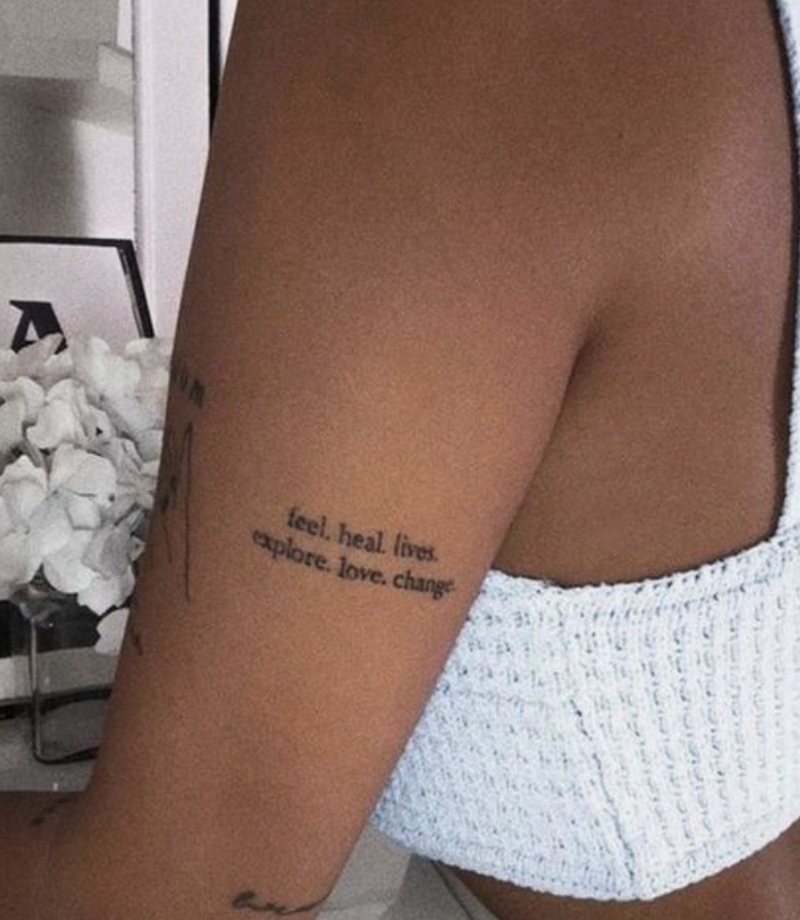
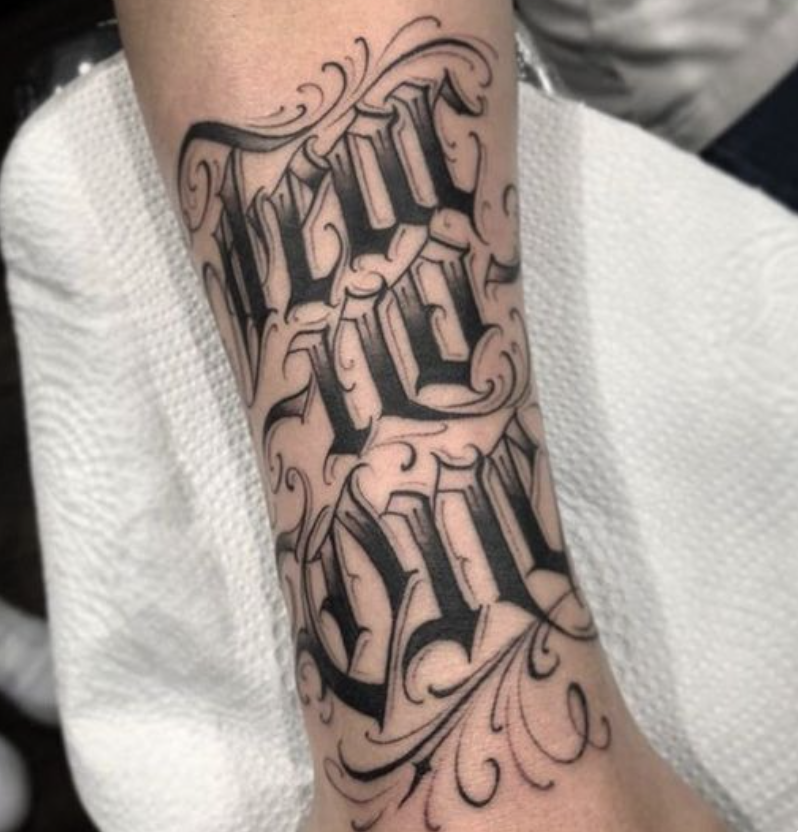
- Script / lettering - the word is the drawing; weight and spacing are the whole job.
Cousins you will also see on the comparison table: color realism (same job as realism, different palette) and Polynesian / tribal traditions (cultural marks, not mall flash). New School, Trash Polka, and other trend names are usually blends of these rules, not a new language.
What a tattoo style actually is
A style is not a subject. A lion is not a style. A Medusa is not a style. Greek gods are not a style. Those are nouns. Style is the grammar you draw them in.
Picture one rose. In American Traditional it is a stamp: a heavy black outline, three or four flat colors, readable from across a room. In black-and-grey realism it is an object: petals built from highlight and shadow, little or no outline, light doing the work. In watercolor it is a wash: pigment that bleeds and fades at the edge, often with no line holding it. In fine line it is a drawing: a hair-width contour, negative space as part of the design. Same flower. Four different tattoo styles. One subject.
That is what people mean by tattoo styles. The rules are simple to name and hard to do well:
- Line. How thick, how even, whether there is an outline at all.
- Fill. Flat color, packed grey, a thin wash, or open skin.
- Contrast. How far the darkest dark sits from the lightest light.
- Scale. How big a mark has to be, and how far from the next mark, so it still reads after the skin moves.
You do not pick a style from a menu of "types of tattoo styles" the way you pick a font. You pick the language that makes your idea last on a body. A photoreal face forced into Traditional loses the face. A classic swallow forced into realism loses the stamp. A name in micro script on a finger is a readability problem, not a font problem.
Four things to know before you pick
- A style is how the tattoo is drawn, not what it depicts. The subject can travel. The rules do not.
- The same idea can work in more than one language. Some languages fit. Some fight it.
- Styles age differently. Bold, high-contrast work usually stays readable as ink migrates. Thin work and wash can still last, but they need space, scale, and a specialist.
- The chair matters more than a shop that "does every style." Ask for healed work in the look you want. Fresh photos lie.
What people worry about
Most people who sit down at Zen Tattoo Studio in Oakville are not asking for a glossary. They are trying not to get the wrong tattoo.
The wrong style for the idea. This is the common miss. Someone wants a portrait and brings Traditional flash. Someone wants a sailor swallow and asks for a photograph of a bird. Someone wants a sentence on a rib and then packs it so tight the letters will touch in five years. The consult is where we say which language fits the idea, not which word is trending.
Aging. People want the Instagram version at year ten. Skin does not do that. Every tattoo softens a little. Bold outlines and packed saturation still have a silhouette when the edges blur. Thin lines and watercolor washes have less margin. That is not a scare line. It is why we talk about space, placement, and sun before we talk about a date.
Regret. Mayo Clinic says wait if you are not sure, and not to get tattooed under pressure, alcohol, or drugs. Style regret is its own version of that: you picked a look from a feed, not from a healed portfolio, and you live with a language you never meant to wear. Cleveland Clinic's Dr. Shilpi Khetarpal puts it plainly: ink is forever, and regret is one of the more common risks.
"Any artist can do any style." This is the expensive myth. A realism specialist is not a fine-line florist. A Traditional artist is not a watercolor painter. A shop that claims every chair does every look is selling a menu, not a specialist. At this studio the match is simple, and we will tell you when the idea does not belong here.
How tattoo styles heal and age
The first weeks are the same for every style. The years are not.
Mayo Clinic describes what a tattoo is: needles put ink in the top layer of the dermis. Typical surface healing is about two weeks. That is the scab-and-flake window most people mean when they say "healed." It is not the whole clock.
Cleveland Clinic treats tattoos as controlled trauma. Healing depends on size and location. Larger pieces can take a few months. Chest and back work is slower than a small wrist. Around two months the top layer is typically settled. Deeper layers can take several more. A packed realism panel is a bigger wound than a short script. The medical timeline is still the same kind of wound.
What you see in those first weeks, if it is not infection, looks ordinary: redness, swelling, clear fluid or a little blood-and-ink ooze, then itch, flake, and scab. That picture is Cleveland Clinic and the American Academy of Dermatology, not a style blog.
Years later the style shows. Ink migrates a little in everyone. Bold, high-contrast languages (American Traditional, Japanese/Irezumi, blackwork) usually stay readable because outlines and saturation still make a silhouette after the edges soften. That is artist and aging-blog teaching, not a clinic ranking. Fine line, watercolor without a line skeleton, and packed tiny detail fade or blur sooner because there is less structure left when the skin does what skin does. They can still work. They need space, scale, and a specialist whose healed photos still look like the style.
Sun is not folklore. The AAD says ultraviolet light can fade some tattoo inks. Tanning beds and sunlamps can do the same, and can raise skin-cancer risk. After the surface is healed: broad-spectrum, water-resistant SPF 30 or more, 15 minutes before you go out, again at least every two hours.
Skin itself changes the drawing. Tiny letters, delicate outlines, and crowded detail lose first, especially on thin skin and on high-friction or high-sun zones (hands, fingers, feet, elbows, knees). That is studio and aging teaching, not a Mayo Clinic ranking. Friction, stretch, and sun do more than a list of popular names.
The FDA is not a style source. Tattoo inks are cosmetics. None are approved for injection into the skin. Local jurisdictions regulate shops. That is why you want a licensed studio, not a kit.
This is why a complimentary consult at Zen talks about healed work. Fresh ink is a wet photograph. Healed ink is the tattoo. If an artist cannot show you the style after it has settled, you are shopping a filter.
Best and popular tattoo styles compared
This is a style map, not a price list. Sessions are custom. The quote lives in a complimentary consult. “Best” here means fit and longevity tradeoffs, not a single winner.
| Style | What it looks like | How it tends to age | Best for | At Zen |
|---|---|---|---|---|
| American Traditional | Bold black outlines, limited primaries, flat 2D color. Reads from across a room. | Usually holds. Outlines and saturation keep a silhouette as ink migrates. | Icons that should stay simple: roses, swallows, daggers, eagles. | Consult. We are not a Traditional shop. |
| Neo-Traditional | Variable line weight, wider palette, more depth, still built on a bold outline. | The outline skeleton holds. Extra ornament can soften first. | Illustrative florals, animals, portraits that still want a graphic edge. | Consult. Same honesty as Traditional. |
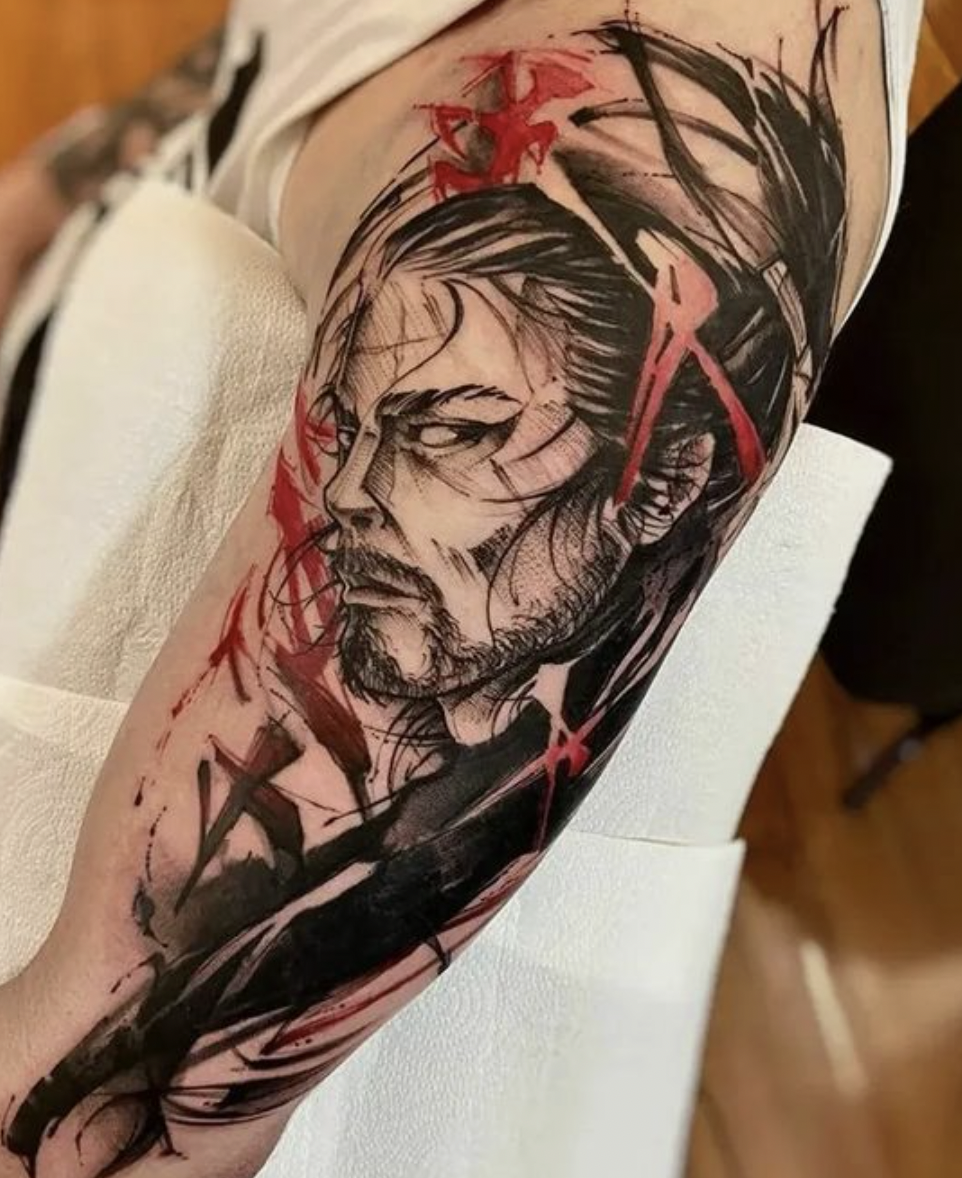
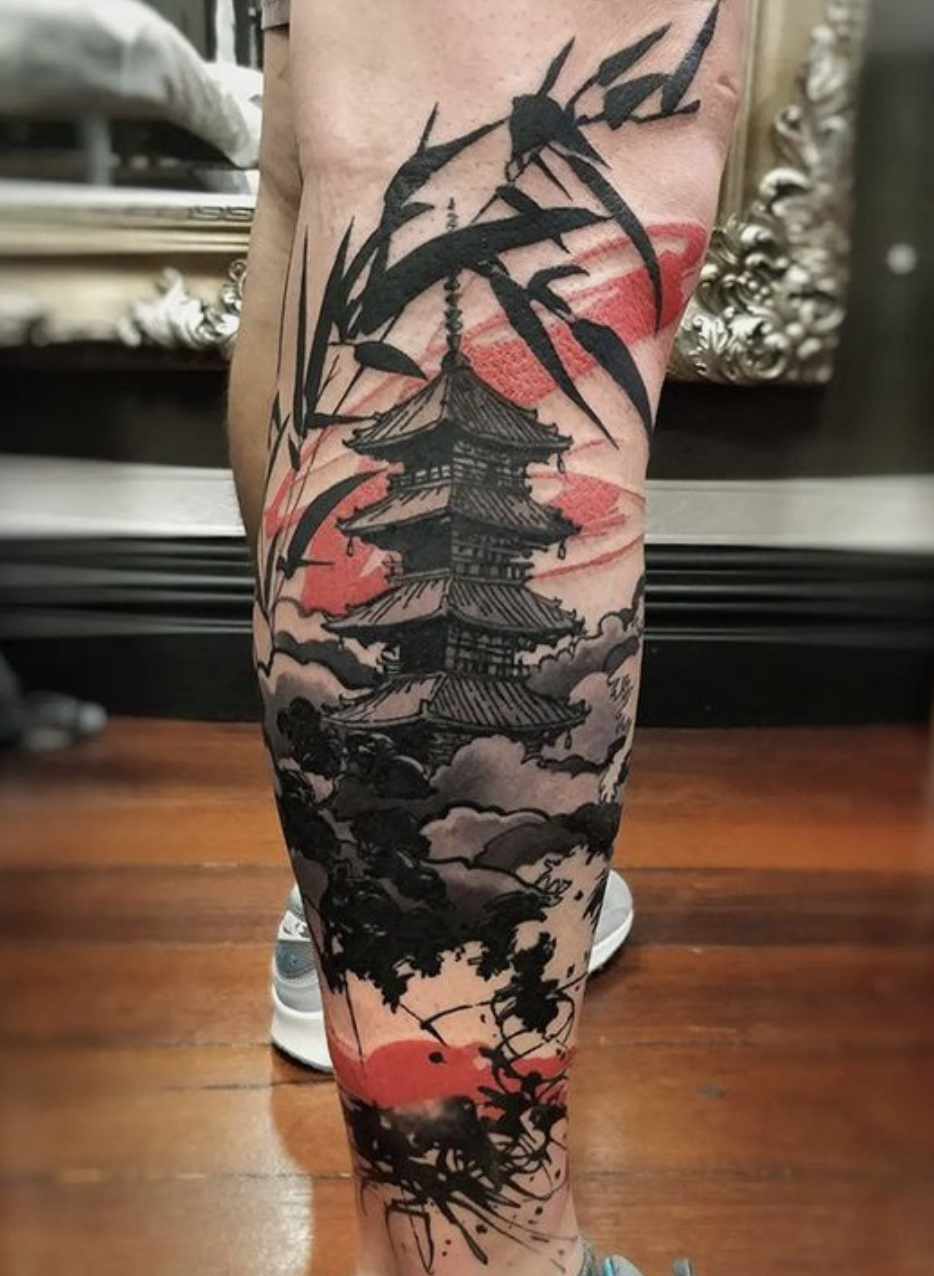
| Japanese / Irezumi | Large-scale flow. Wind, water, and cloud grounds. Designed for limbs, backs, and suits. | Large shapes and grounds usually stay readable. This is a specialist tradition. | Full compositions that wrap the body, not a sticker on a forearm. | Consult. We do not claim Irezumi as a house style. |
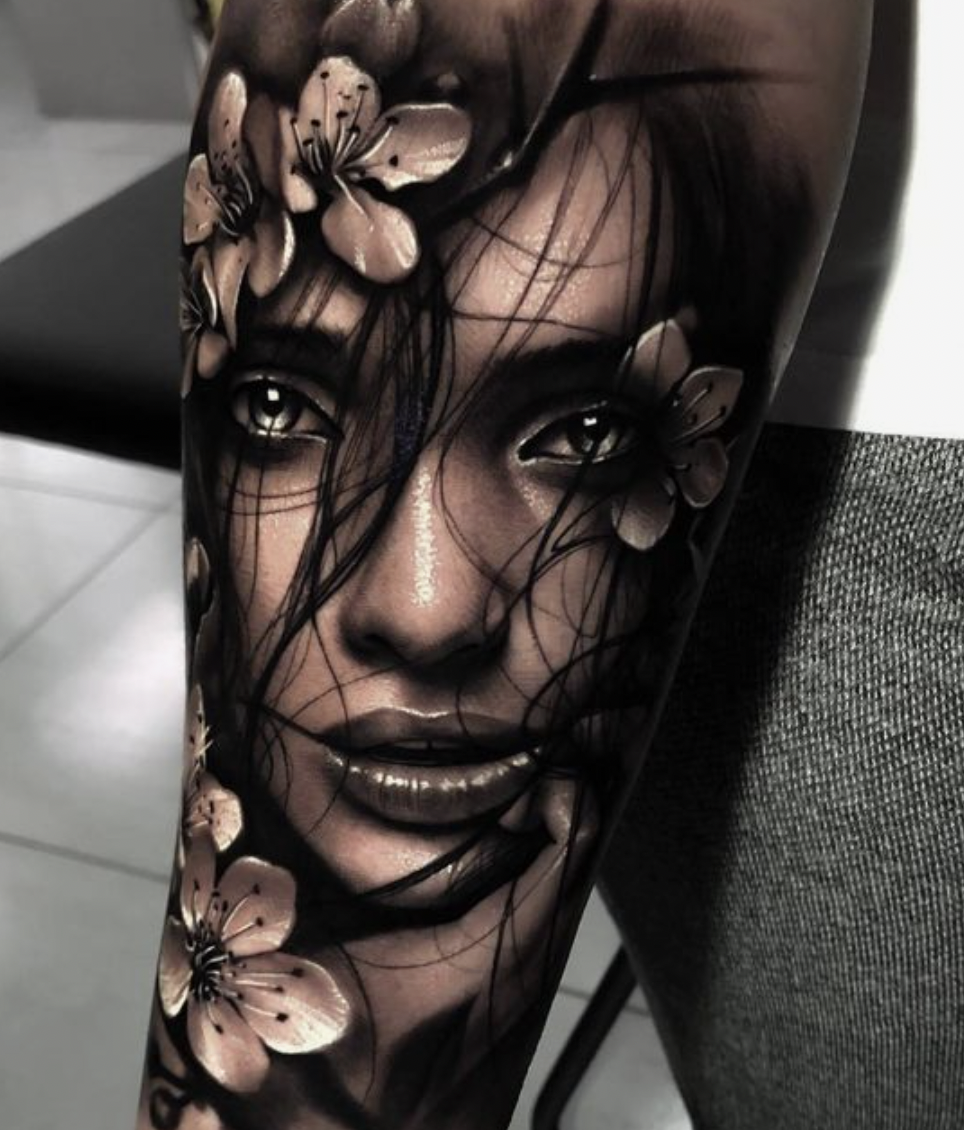
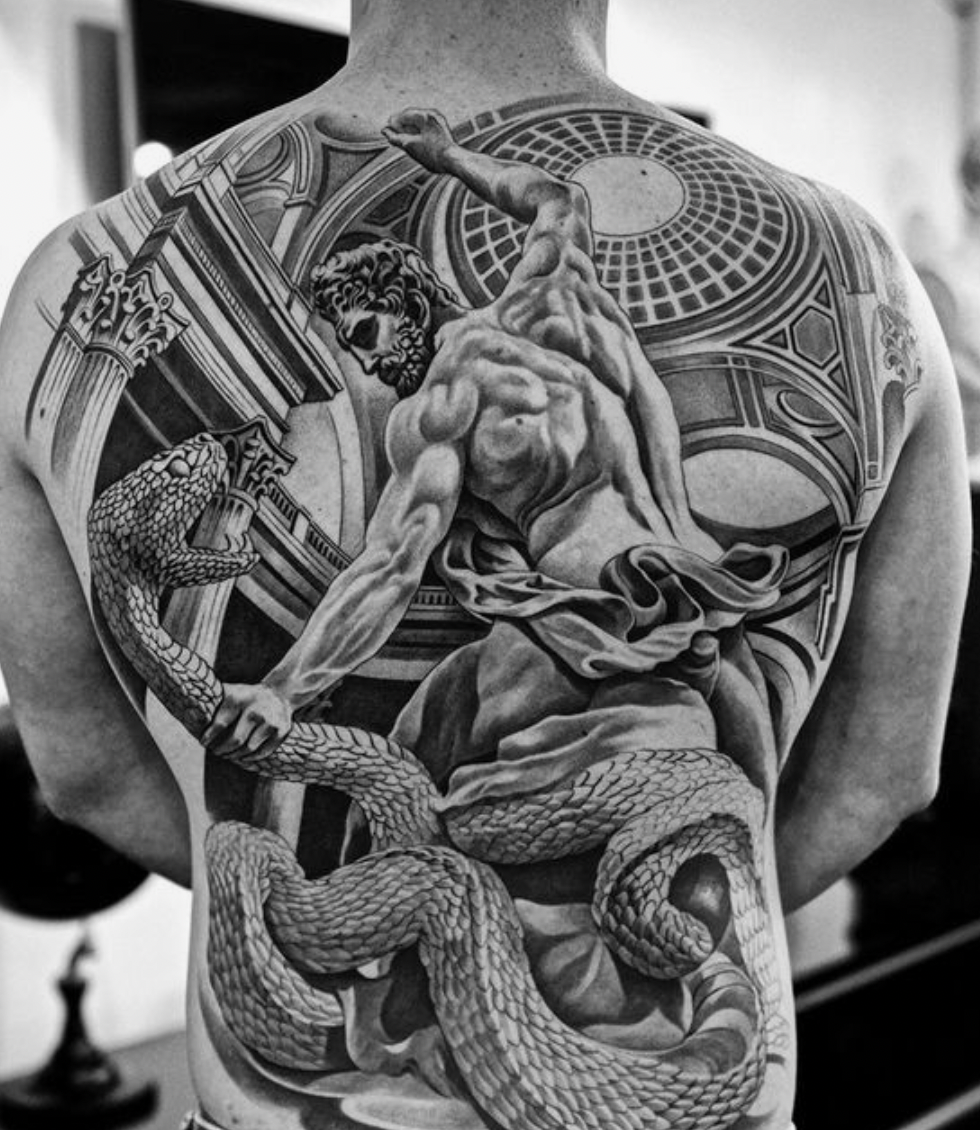
| Black-and-grey realism | Little or no outline. Light and shadow. Reads as form, not as a stamp. | Midtones soften. Contrast and skin breaks keep the form. You must see healed work. | Portraits, wildlife, sculpture, large panels in grey. | Devon, Igor, or Luis. |
| Color realism | Same job as realism, in color. Skin tones and saturation are the craft. | Color can lighten sooner than black, especially in sun. Red ink is more allergy-prone (Mayo). | Subjects that need hue, not only value. | Consult. The house is black-and-grey. Color realism is a different job. |
| Fine line | Thin, hair-like line. Negative space is part of the drawing. | Softens sooner if crowded or tiny. Lasts when it has space, scale, and a specialist. | Floral, botanical, and script that should read as a drawing. | Oxy only. |
| Blackwork | Graphic black, high contrast, negative space doing as much work as the ink. | Usually holds. Saturation and silhouette are the point. | Bold graphic coverage, pattern, heavy black composition. | Consult. Some graphic black can sit here. Ask. |
| Geometric | Measured shapes, repeating structure. Can be bold or fine. | Aging follows the line weight. Tight grids merge. Open geometry holds. | Pattern, sacred geometry, structured ornaments. | Consult. Depends on whether it is a line job or a packed graphic. |
| Watercolor | Soft edges, washes, splatters. Often little or no outline. | Weakest without a line skeleton. Fresh work is the peak. | Painterly color fields that you accept will soften. | Not this house. |
| Script / lettering | The word is the drawing. Weight and spacing are the whole job. | Tiny letters and crowded cursive lose first. Larger, spaced script holds. | Names, phrases, and lettering that must stay readable. | Oxy for finer script. Heavy lettering: ask in consult. |
| Polynesian / tribal | Cultural marks with rules, placement, and meaning. Not a generic "tribal" flash sheet. | Bold black usually holds. The risk is disrespect, not only fade. | Work done inside that tradition, by a specialist in it. | Not this house. We will not treat it as an aesthetic. |
Tattoo styles, one at a time
Each section below answers the same four questions: what it is, what people worry about, how it heals and ages, and who should tattoo it.
American Traditional
American Traditional is a stamp language. Bold black outlines. A short list of primaries, usually red, yellow, green, blue, and black. Flat color, not blended skin. The drawing is 2D on purpose. Artists who live in this style still say "bold will hold," because the outline and the saturation are the insurance.
What people worry about: looking dated, or stuffing a photoreal face into a style that does not do faces that way. Traditional is not a lesser realism. It is a different contract. If you want a swallow that still reads as a swallow at sixty, this language was built for that.
How it heals and ages: the first weeks are the same wound as any tattoo. Years later the lines get a little thicker and a little softer, and the color can mute in the sun. The silhouette is usually still there. That is the point of the bold outline.
Who should tattoo it: a Traditional specialist whose healed sheets still look Traditional. Zen Tattoo Studio in Oakville is not that shop. If this is the language you want, the consult will say so, and we will not pretend a realism chair can stamp it.
Neo-Traditional
Neo-Traditional keeps the outline and then spends the extra room. Line weight varies. The palette is wider. There is more depth, more ornament, more illustrative flourish. It is still anchored by a bold black structure. It is not realism with a thicker edge, and it is not Traditional with extra stickers.
What people worry about: calling it realism because it has dimension, or calling it Traditional because it has an outline. Those are the wrong names. If the piece needs a graphic skeleton and a richer illustration inside it, you are in this language.
How it heals and ages: the outline is still the insurance. The extra petals, jewels, and decorative line can soften first. Design it so the main shapes still read when the ornament quiets down.
Who should tattoo it: a Neo-Traditional specialist. Same honesty as Traditional. Ask in consult whether the idea belongs at Zen. Do not book a realism chair and hope the outline appears.
Japanese / Irezumi
Japanese tattooing, and the Irezumi tradition it comes from, is a large-scale style language. Flow, background grounds (wind, water, cloud), and body placement are the grammar. Subjects sit inside that system. This page teaches the look as a language, not as a symbol dictionary.
What people worry about: a small "Japanese-style" flash sticker that has none of that flow, or treating Irezumi like a mood board. Scale is not optional here. A lone motif with no ground is a sticker, not the tradition.
How it heals and ages: large shapes, saturated black, and repeating grounds usually stay readable. The work is designed to be seen in motion on a body, not as a tight patch of detail.
Who should tattoo it: an artist who already works in that tradition. Zen is not an Irezumi house. We will not sell you background-free flash and call it Japanese. If your references are this language, the consult will say whether the idea can live here or needs a different room.
Black-and-grey realism
This is the house language at Zen Tattoo Studio in Oakville.
Realism uses little or no outline. The image is built from light and shadow so it reads as form: a face, an animal, a statue, a fabric fold. Black-and-grey realism is not "black and grey" as a separate style. Grey is the palette. Realism is the job. Color realism is the same job with a different palette, and it is a different chair.
Micro-realism is a scale of realism, not a twelfth peer style. Same job. Smaller canvas. A two-inch portrait uses the same light-and-shadow thinking as a large panel. The smaller canvas is harder to age, because the same natural spread has less room before an eyelash becomes a smudge. If a list treats micro-realism as its own family, it is listing a size.
What people worry about is almost always the same three things.
First, fresh photos. A wet realism piece looks sharper than the healed one. Midtones settle. Highlights calm down. If you only saw the shiny day-one shot, you have not seen the tattoo. Ask for healed work. If the artist cannot show it, keep walking.
Second, packed tiny detail. A packed miniature portrait on a two-inch patch will lose the face as the skin moves. Realism lasts when the contrast is honest and the details are large enough to survive a little migration. Skin breaks (open skin between darks) keep the form after the greys soften.
Third, the wrong chair. People book a fine-line florist for a portrait, or they book one realism name and ignore the other two. At this studio you have three realism chairs: Devon, Igor, and Luis. Read each page. Pick the hand that matches the images you want. None of them is "the" realism artist. Igor is not the only option. Do not book Oxy for a packed portrait or a realism body suit.
How it heals and ages: the first weeks are the same medical timeline. A large panel is a bigger wound, so Cleveland's note about months (not days) matters more here. Years later, the midtones are what drift. High-contrast structure and breathing room are what keep a face a face. Sun still fades ink. That is the AAD. A torso you will cover and sunscreen will outlast a forearm you bake.
This page is not a sleeve plan, a cost guide, or a body-suit brief. If the project is continuous coverage designed as one piece, that lives on the full body suit tattoos for women page. That page owns the suit. This page owns the style.
Who should tattoo it: Devon, Igor, or Luis. Pick from healed work. Book the complimentary consult and ask for the chair that already tattoos the look you want.
Color realism
Color realism is still realism. Light and shadow do the work. There is still little or no outline. The extra job is hue: skin, fabric, sky, the way a red stays a red after the scab comes off.
What people worry about: color that looks painted on day one and chalky by year three, and reactions in a single pigment. Mayo Clinic notes that red ink tends to be more prone to allergic reactions than other colors, and a reaction can show up years later. The AAD reactions page says the same about ink allergies: they can appear immediately, weeks later, or decades later, often in one color.
How it heals and ages: same first-month wound. Over years, color can lighten sooner than black, especially in sun. That is why the AAD's SPF rule is not optional on a color piece. A color realist who shows healed work will already be compensating for that.
Who should tattoo it: a color-realism specialist. Zen's house is luxury black-and-grey. Color realism is a different job. The consult will say if the idea belongs here.
Fine line
Fine line is a thinner line on whatever canvas you actually want. It is not a size. It is not "the small tattoo style."
That is a full article on its own: what the line is, how it heals, what fade and drift and blowout actually mean, and how large-scale floral is planned. Read Fine line tattoos in Oakville, Toronto and the GTA. Do not use this page as a second fine-line essay.
At Zen the chair is Oxy only. Do not book Igor, Devon, or Luis for fine-line floral or script.
Blackwork
Blackwork is graphic black used as the whole language: heavy saturation, high contrast, negative space as part of the drawing. It can be pattern, a solid field, or a composition that reads as shape first. It is not "tribal." It is not realism with the grey taken out.
What people worry about: coverage they will not want in ten years, or a dense black that was packed too tight to heal clean. Blackwork is a commitment to silhouette. If you want a soft portrait, you are in the wrong language.
How it heals and ages: more ink is a bigger heal on a big field, but the years are usually kind. Saturation and a clear silhouette still read after edges soften. Sun will still mute it. Protect it.
Who should tattoo it: an artist who already thinks in black graphic structure. Some of that work can sit at Zen. Some cannot. Ask in consult, and look at healed black, not only fresh shine.
Geometric
Geometric work is measured structure: circles, grids, tessellation, ornaments built on repeat. It can be bold and open, or fine and tight. The line weight is the style decision, not the word "geometric."
What people worry about: a tight grid that will merge, or mixing fine ornamental line with packed realism and calling it one piece. Two languages on one patch need a plan, not a collage.
How it heals and ages: follow the line. Open geometry with space between marks holds. A dense micro-grid behaves like crowded fine line. Placement matters. A knee or a hand will chew a tight pattern faster than a thigh.
Who should tattoo it: depends on the weight. Fine ornamental geometry is closer to a line chair. Packed graphic geometry is closer to blackwork. Consult will say which, and whether it belongs here.
Watercolor
Watercolor tries to look like a wet brush on paper: soft edges, washes, splatters, color that fades out instead of stopping at a line. Fresh, it can be beautiful. That is also the problem.
What people worry about, correctly: how it will look when it is not fresh. Without a line skeleton or a dark value holding the shape, the wash is the first thing to lose its edge. Many artists who still do this work add a quiet outline or a darker anchor so the painting has a bone. Pure wash is the gamble.
How it heals and ages: same first weeks. Years later it is often the weakest of the common languages. That is studio and aging-blog teaching, not a Mayo Clinic finding. Sun makes it worse. The AAD's UV note applies hard here.
Who should tattoo it: a watercolor specialist who shows healed work, not only the day-one bloom. Zen is not a watercolor shop.
Script / lettering
Script is the word as the tattoo. Line weight, letter spacing, and size are the whole drawing. There is nowhere to hide a wobble, and nowhere to hide a crowding mistake.
What people worry about: a name that will not read, a quote crammed on a rib, cursive on a finger that becomes a grey ribbon. Tiny letters lose definition first as skin moves and pigment settles. That is why scale and spacing are the whole job.
How it heals and ages: thin script behaves like fine line. Heavy script behaves more like Traditional. Either way, letters drawn too close will touch. Scale up, leave space, and keep it off high-friction skin if you want it to still say what it said.
Who should tattoo it: Oxy for the finer end of script. Heavy lettering is a different weight. Ask in consult. Do not book a realism chair to write a sentence.
Polynesian / tribal
Polynesian tattooing (and the related traditions people flatten under the word "tribal") is not a flash aesthetic. It has rules, placement, and meaning inside a culture. A generic armband copied from a sheet is not that work. It is a costume.
What people worry about should be respect first, aging second. Bold black in these traditions often holds, the same way other saturated black holds. That does not make it fair game for a shop that does not work in the tradition.
Who should tattoo it: a specialist in that tradition. Zen Tattoo Studio in Oakville is not that house. We will say so in consult. We will not redraw someone else's cultural marks as a "tribal style."
Who to book (and who not to book) at Zen in Oakville
Match the language to the chair. Do not book a name because the first search result used it.
Fine line, large floral, body-scale line, finer script: book Oxy only. Do not book Igor, Devon, or Luis for this.
Black-and-grey realism (portraits, wildlife, sculpture, large panels): book Devon, Igor, or Luis. Read the three pages. Pick the healed work that matches. None of them is the only realism option. Do not book Oxy for a realism portrait or a packed realism body suit.
Traditional, Neo-Traditional, Irezumi, watercolor, Polynesian: ask in the complimentary consult. We will tell you if the idea can live in this room. We will not pretend the house is those houses.
The full artists roster is the Oakville list if you are still matching a name to a job. Bring references that show the look, not only the subject.
Aftercare is the same first month
Style differences show later. The first month is one wound. Follow the sheet your artist hands you. The medical baseline is Mayo Clinic, Cleveland Clinic (Dr. Shilpi Khetarpal), and the AAD.
First night
- The artist typically applies ointment and a clear bandage. Follow their cover time. Cleveland Clinic: at least three hours or more, depending on size.
- Wash your hands before you take the bandage off. Soak it in warm water. Peel it gently.
- Do not pick.
First two weeks
- Wash twice a day, gentle touch. Pat dry. Do not rub (Mayo Clinic).
- Mild fragrance-free soap. Warm, not hot, water. A clean paper towel (Cleveland Clinic).
- Mild moisturizer, twice a day, so the skin does not crack.
- No sun until it heals. No swimming (pools, hot tubs, rivers, lakes). No clothing that sticks (Mayo Clinic).
- Until it is healed: skip petrolatum, sunscreen on open skin, and soaking. Petrolatum can block pores (Cleveland Clinic).
- Normal: redness, swelling, clear fluid, then itch, flake, and scab (AAD).
- Infection is not a normal heal. Cleveland Clinic: fever, skin hot to the touch, odor or heavy drainage, pain that increases, red streaks or spreading redness. The AAD adds open sores, or a reaction lasting longer than one to two weeks. See a doctor.
Once it is healed
- Water-based lotion if dry. Petroleum-based products can fade ink (AAD).
- Broad-spectrum, water-resistant SPF 30 or more, 15 minutes before you go out, reapply at least every two hours. No tanning beds (AAD).
- See a board-certified dermatologist if tattooed skin is changing.
- Shop safety (Mayo Clinic): licensed studio, fresh gloves, sealed needles, single-use ink cups, autoclave. No DIY kits.
A Traditional rose and a fine-line rose use the same first-month rules. The style shows up later, when the outline either holds the drawing or was never there.
Complimentary consult
You do not pick a language off a blog and then hope the chair can speak it. You sit a complimentary consult at Zen Tattoo Studio, 2342 Lakeshore Rd W, Oakville. You bring the idea, the placement, and references that show the look. We tell you which style fits, which artist tattoos that style here, and whether the work belongs in this house.
Sessions are custom. The quote is built from the design that fits your body. There is no hourly clock on this page, and no style menu with prices. Let that conversation sell the work, or tell you it should be a different room.
If you already have references, start at plan your tattoo, then book the consult. Ask for Oxy if the work is fine line. Ask for Devon, Igor, or Luis if the work is black-and-grey realism.
Related reading
- Fine line tattoos in Oakville, Toronto and the GTA: the process, the heal, and why that chair is Oxy only.
- Full body suit tattoos for women: how a large realism project is planned. It is not a second styles page.
- Greek mythology tattoos: subjects and symbols. The style is still a separate pick.
- Medusa tattoo meaning: why people choose that image. Medusa is not a style.
- How to get a tattoo design you won't regret: style choice into design choice.
- Plan your tattoo: bring references and start the map before you sit.
- Oxy: the fine-line chair. Not a realism booking.
- Devon, Igor, and Luis: the three black-and-grey realism chairs. Pick from healed work.
- Meet the artists: the Oakville roster, so you match a name to a job.
- Book a complimentary consult: the only honest next step once you know the language you want.
Serving Oakville, Toronto, Mississauga, Burlington, and the GTA from 2342 Lakeshore Rd W, Oakville.
FAQ
What are the best and most popular tattoo styles?
There is no universal best tattoo style. Popular tattoo styles people compare most often are American Traditional, Neo-Traditional, Japanese/Irezumi, black-and-grey realism, fine line, blackwork, watercolor, geometric, and script. "Best" usually means bold vs thin: outlines and saturation tend to stay readable longer, while fine line and watercolor need more space, scale, and a specialist. At Zen Tattoo Studio in Oakville we map the look to the idea, then to the chair, in a complimentary consult.
How many tattoo styles are there?
There is no fixed number. A style is a visual language, not an official list, so studios group the ones clients actually ask for. At Zen Tattoo Studio in Oakville we compare the styles people bring in most often: Traditional, Neo-Traditional, Japanese/Irezumi, black-and-grey realism, color realism, fine line, blackwork, geometric, watercolor, script, and Polynesian/tribal. New names show up every year. Most of them are blends of those rules, not a new language.
What is the difference between traditional and realism tattoos?
Traditional uses bold outlines, a limited palette, and flat color so the drawing reads from across a room. Realism uses light and shadow, usually with little or no outline, so the image reads as form. At Zen Tattoo Studio in Oakville, realism is a house style and Traditional is not. Book a realism chair if you want a portrait or a sculpted subject. Ask in consult if a Traditional rose is even the right room.
Which tattoo styles last the longest?
Bold, high-contrast styles with strong outlines and saturation usually stay readable longer as ink migrates. American Traditional, Japanese/Irezumi, and blackwork are the usual examples. That is studio and aging-blog teaching, not a clinic ranking. At Zen Tattoo Studio in Oakville we still start from healed photos, because sun, friction, and thin skin change any style.
Do watercolor and fine line tattoos fade faster?
They can look softer sooner, because they start with less outline, less pigment, or both. Watercolor without a line skeleton is often the weakest ager. Fine line can last when it has space, scale, and a specialist. Zen Tattoo Studio in Oakville books fine line with Oxy only. We are not a watercolor shop.
Can one artist do every tattoo style?
No. Each style is a different job, and a shop that claims every chair does every look is selling a menu, not a specialist. At Zen Tattoo Studio in Oakville the match is simple. Fine line is Oxy. Black-and-grey realism is Devon, Igor, or Luis. Do not swap those chairs.
What tattoo style is Zen Tattoo Studio in Oakville known for?
Luxury black-and-grey realism, plus a dedicated fine-line chair. That is the house. We serve Oakville, Toronto, and the GTA from 2342 Lakeshore Rd W. We do not pretend to be a Traditional, Irezumi, watercolor, or Polynesian shop.
How do I choose a tattoo style in Toronto or the GTA?
Start with the idea, then pick the language that makes that idea last, then pick the chair that already tattoos that language. Bring references that show the look, not only the subject. Zen Tattoo Studio in Oakville will tell you if the idea belongs here, or if you need a different house.
What a tattoo style actually is
A style is not a subject. A lion is not a style. A Medusa is not a style. Greek gods are not a style. Those are nouns. Style is the grammar you draw them in.
Picture one rose. In American Traditional it is a stamp: a heavy black outline, three or four flat colors, readable from across a room. In black-and-grey realism it is an object: petals built from highlight and shadow, little or no outline, light doing the work. In watercolor it is a wash: pigment that bleeds and fades at the edge, often with no line holding it. In fine line it is a drawing: a hair-width contour, negative space as part of the design. Same flower. Four different tattoo styles. One subject.
That is what people mean by tattoo styles. The rules are simple to name and hard to do well:
Line. How thick, how even, whether there is an outline at all.
Fill. Flat color, packed grey, a thin wash, or open skin.
Contrast. How far the darkest dark sits from the lightest light.
Scale. How big a mark has to be, and how far from the next mark, so it still reads after the skin moves.
You do not pick a style from a menu of "types of tattoo styles" the way you pick a font. You pick the language that makes your idea last on a body. A photoreal face forced into Traditional loses the face. A classic swallow forced into realism loses the stamp. A name in micro script on a finger is a readability problem, not a font problem.
Four things to know before you pick
A style is how the tattoo is drawn, not what it depicts. The subject can travel. The rules do not.
The same idea can work in more than one language. Some languages fit. Some fight it.
Styles age differently. Bold, high-contrast work usually stays readable as ink migrates. Thin work and wash can still last, but they need space, scale, and a specialist.
The chair matters more than a shop that "does every style." Ask for healed work in the look you want. Fresh photos lie.
What people worry about
Most people who sit down at Zen Tattoo Studio in Oakville are not asking for a glossary. They are trying not to get the wrong tattoo.
The wrong style for the idea. This is the common miss. Someone wants a portrait and brings Traditional flash. Someone wants a sailor swallow and asks for a photograph of a bird. Someone wants a sentence on a rib and then packs it so tight the letters will touch in five years. The consult is where we say which language fits the idea, not which word is trending.
Aging. People want the Instagram version at year ten. Skin does not do that. Every tattoo softens a little. Bold outlines and packed saturation still have a silhouette when the edges blur. Thin lines and watercolor washes have less margin. That is not a scare line. It is why we talk about space, placement, and sun before we talk about a date.
Regret. Mayo Clinic says wait if you are not sure, and not to get tattooed under pressure, alcohol, or drugs. Style regret is its own version of that: you picked a look from a feed, not from a healed portfolio, and you live with a language you never meant to wear. Cleveland Clinic's Dr. Shilpi Khetarpal puts it plainly: ink is forever, and regret is one of the more common risks.
"Any artist can do any style." This is the expensive myth. A realism specialist is not a fine-line florist. A Traditional artist is not a watercolor painter. A shop that claims every chair does every look is selling a menu, not a specialist. At this studio the match is simple, and we will tell you when the idea does not belong here.
How tattoo styles heal and age
The first weeks are the same for every style. The years are not.
Mayo Clinic describes what a tattoo is: needles put ink in the top layer of the dermis. Typical surface healing is about two weeks. That is the scab-and-flake window most people mean when they say "healed." It is not the whole clock.
Cleveland Clinic treats tattoos as controlled trauma. Healing depends on size and location. Larger pieces can take a few months. Chest and back work is slower than a small wrist. Around two months the top layer is typically settled. Deeper layers can take several more. A packed realism panel is a bigger wound than a short script. The medical timeline is still the same kind of wound.
What you see in those first weeks, if it is not infection, looks ordinary: redness, swelling, clear fluid or a little blood-and-ink ooze, then itch, flake, and scab. That picture is Cleveland Clinic and the American Academy of Dermatology, not a style blog.
Years later the style shows. Ink migrates a little in everyone. Bold, high-contrast languages (American Traditional, Japanese/Irezumi, blackwork) usually stay readable because outlines and saturation still make a silhouette after the edges soften. That is artist and aging-blog teaching, not a clinic ranking. Fine line, watercolor without a line skeleton, and packed tiny detail fade or blur sooner because there is less structure left when the skin does what skin does. They can still work. They need space, scale, and a specialist whose healed photos still look like the style.
Sun is not folklore. The AAD says ultraviolet light can fade some tattoo inks. Tanning beds and sunlamps can do the same, and can raise skin-cancer risk. After the surface is healed: broad-spectrum, water-resistant SPF 30 or more, 15 minutes before you go out, again at least every two hours.
Skin itself changes the drawing. Tiny letters, delicate outlines, and crowded detail lose first, especially on thin skin and on high-friction or high-sun zones (hands, fingers, feet, elbows, knees). That is studio and aging teaching, not a Mayo Clinic ranking. Friction, stretch, and sun do more than a list of popular names.
The FDA is not a style source. Tattoo inks are cosmetics. None are approved for injection into the skin. Local jurisdictions regulate shops. That is why you want a licensed studio, not a kit.
This is why a complimentary consult at Zen talks about healed work. Fresh ink is a wet photograph. Healed ink is the tattoo. If an artist cannot show you the style after it has settled, you are shopping a filter.
Tattoo styles compared
This is a style map, not a price list. Sessions are custom. The quote lives in a complimentary consult.
StyleWhat it looks likeHow it tends to ageBest forAt ZenAmerican TraditionalBold black outlines, limited primaries, flat 2D color. Reads from across a room.Usually holds. Outlines and saturation keep a silhouette as ink migrates.Icons that should stay simple: roses, swallows, daggers, eagles.Consult. We are not a Traditional shop.Neo-TraditionalVariable line weight, wider palette, more depth, still built on a bold outline.The outline skeleton holds. Extra ornament can soften first.Illustrative florals, animals, portraits that still want a graphic edge.Consult. Same honesty as Traditional.Japanese / IrezumiLarge-scale flow. Wind, water, and cloud grounds. Designed for limbs, backs, and suits.Large shapes and grounds usually stay readable. This is a specialist tradition.Full compositions that wrap the body, not a sticker on a forearm.Consult. We do not claim Irezumi as a house style.Black-and-grey realismLittle or no outline. Light and shadow. Reads as form, not as a stamp.Midtones soften. Contrast and skin breaks keep the form. You must see healed work.Portraits, wildlife, sculpture, large panels in grey.Devon, Igor, or Luis.Color realismSame job as realism, in color. Skin tones and saturation are the craft.Color can lighten sooner than black, especially in sun. Red ink is more allergy-prone (Mayo).Subjects that need hue, not only value.Consult. The house is black-and-grey. Color realism is a different job.Fine lineThin, hair-like line. Negative space is part of the drawing.Softens sooner if crowded or tiny. Lasts when it has space, scale, and a specialist.Floral, botanical, and script that should read as a drawing.Oxy only.BlackworkGraphic black, high contrast, negative space doing as much work as the ink.Usually holds. Saturation and silhouette are the point.Bold graphic coverage, pattern, heavy black composition.Consult. Some graphic black can sit here. Ask.GeometricMeasured shapes, repeating structure. Can be bold or fine.Aging follows the line weight. Tight grids merge. Open geometry holds.Pattern, sacred geometry, structured ornaments.Consult. Depends on whether it is a line job or a packed graphic.WatercolorSoft edges, washes, splatters. Often little or no outline.Weakest without a line skeleton. Fresh work is the peak.Painterly color fields that you accept will soften.Not this house.Script / letteringThe word is the drawing. Weight and spacing are the whole job.Tiny letters and crowded cursive lose first. Larger, spaced script holds.Names, phrases, and lettering that must stay readable.Oxy for finer script. Heavy lettering: ask in consult.Polynesian / tribalCultural marks with rules, placement, and meaning. Not a generic "tribal" flash sheet.Bold black usually holds. The risk is disrespect, not only fade.Work done inside that tradition, by a specialist in it.Not this house. We will not treat it as an aesthetic.
Tattoo styles, one at a time
Each section below answers the same four questions: what it is, what people worry about, how it heals and ages, and who should tattoo it.
American Traditional
American Traditional is a stamp language. Bold black outlines. A short list of primaries, usually red, yellow, green, blue, and black. Flat color, not blended skin. The drawing is 2D on purpose. Artists who live in this style still say "bold will hold," because the outline and the saturation are the insurance.
What people worry about: looking dated, or stuffing a photoreal face into a style that does not do faces that way. Traditional is not a lesser realism. It is a different contract. If you want a swallow that still reads as a swallow at sixty, this language was built for that.
How it heals and ages: the first weeks are the same wound as any tattoo. Years later the lines get a little thicker and a little softer, and the color can mute in the sun. The silhouette is usually still there. That is the point of the bold outline.
Who should tattoo it: a Traditional specialist whose healed sheets still look Traditional. Zen Tattoo Studio in Oakville is not that shop. If this is the language you want, the consult will say so, and we will not pretend a realism chair can stamp it.
Neo-Traditional
Neo-Traditional keeps the outline and then spends the extra room. Line weight varies. The palette is wider. There is more depth, more ornament, more illustrative flourish. It is still anchored by a bold black structure. It is not realism with a thicker edge, and it is not Traditional with extra stickers.
What people worry about: calling it realism because it has dimension, or calling it Traditional because it has an outline. Those are the wrong names. If the piece needs a graphic skeleton and a richer illustration inside it, you are in this language.
How it heals and ages: the outline is still the insurance. The extra petals, jewels, and decorative line can soften first. Design it so the main shapes still read when the ornament quiets down.
Who should tattoo it: a Neo-Traditional specialist. Same honesty as Traditional. Ask in consult whether the idea belongs at Zen. Do not book a realism chair and hope the outline appears.
Japanese / Irezumi
Japanese tattooing, and the Irezumi tradition it comes from, is large-scale work. The subject (a dragon, a peony, a tiger) is only half the drawing. Wind, water, and cloud grounds move the image around the body. Sleeves, backs, and suits are the native canvas. This is a specialist tradition with rules about flow, background, and how a piece turns a shoulder or a rib.
What people worry about: a small "Japanese-style" flash sticker that has none of that flow, or treating Irezumi like a mood board. Scale is not optional here. A koi with no water is a sticker.
How it heals and ages: large shapes, saturated black, and repeating grounds usually stay readable. The work is designed to be seen in motion on a body, not as a tight patch of detail.
Who should tattoo it: an artist who already works in that tradition. Zen is not an Irezumi house. We will not sell you a background-free dragon and call it Japanese. If your references are this language, the consult will say whether the idea can live here or needs a different room.
Black-and-grey realism
This is the house language at Zen Tattoo Studio in Oakville.
Realism uses little or no outline. The image is built from light and shadow so it reads as form: a face, an animal, a statue, a fabric fold. Black-and-grey realism is not "black and grey" as a separate style. Grey is the palette. Realism is the job. Color realism is the same job with a different palette, and it is a different chair.
Micro-realism is a scale of realism, not a twelfth peer style. Same job. Smaller canvas. A two-inch portrait uses the same light-and-shadow thinking as a large panel. The smaller canvas is harder to age, because the same natural spread has less room before an eyelash becomes a smudge. If a list treats micro-realism as its own family, it is listing a size.
What people worry about is almost always the same three things.
First, fresh photos. A wet realism piece looks sharper than the healed one. Midtones settle. Highlights calm down. If you only saw the shiny day-one shot, you have not seen the tattoo. Ask for healed work. If the artist cannot show it, keep walking.
Second, packed tiny detail. A packed miniature portrait on a two-inch patch will lose the face as the skin moves. Realism lasts when the contrast is honest and the details are large enough to survive a little migration. Skin breaks (open skin between darks) keep the form after the greys soften.
Third, the wrong chair. People book a fine-line florist for a portrait, or they book one realism name and ignore the other two. At this studio you have three realism chairs: Devon, Igor, and Luis. Read each page. Pick the hand that matches the images you want. None of them is "the" realism artist. Igor is not the only option. Do not book Oxy for a packed portrait or a realism body suit.
How it heals and ages: the first weeks are the same medical timeline. A large panel is a bigger wound, so Cleveland's note about months (not days) matters more here. Years later, the midtones are what drift. High-contrast structure and breathing room are what keep a face a face. Sun still fades ink. That is the AAD. A torso you will cover and sunscreen will outlast a forearm you bake.
This page is not a sleeve plan, a cost guide, or a body-suit brief. If the project is continuous coverage designed as one piece, that lives on the full body suit tattoos for women page. That page owns the suit. This page owns the style.
Who should tattoo it: Devon, Igor, or Luis. Pick from healed work. Book the complimentary consult and ask for the chair that already tattoos the look you want.
Color realism
Color realism is still realism. Light and shadow do the work. There is still little or no outline. The extra job is hue: skin, fabric, sky, the way a red stays a red after the scab comes off.
What people worry about: color that looks painted on day one and chalky by year three, and reactions in a single pigment. Mayo Clinic notes that red ink tends to be more prone to allergic reactions than other colors, and a reaction can show up years later. The AAD reactions page says the same about ink allergies: they can appear immediately, weeks later, or decades later, often in one color.
How it heals and ages: same first-month wound. Over years, color can lighten sooner than black, especially in sun. That is why the AAD's SPF rule is not optional on a color piece. A color realist who shows healed work will already be compensating for that.
Who should tattoo it: a color-realism specialist. Zen's house is luxury black-and-grey. Color realism is a different job. The consult will say if the idea belongs here.
Fine line
Fine line is a thinner line on whatever canvas you actually want. It is not a size. It is not "the small tattoo style."
That is a full article on its own: what the line is, how it heals, what fade and drift and blowout actually mean, and how large-scale floral is planned. Read Fine line tattoos in Oakville, Toronto and the GTA. Do not use this page as a second fine-line essay.
At Zen the chair is Oxy only. Do not book Igor, Devon, or Luis for fine-line floral or script.
Blackwork
Blackwork is graphic black used as the whole language: heavy saturation, high contrast, negative space as part of the drawing. It can be pattern, a solid field, or a composition that reads as shape first. It is not "tribal." It is not realism with the grey taken out.
What people worry about: coverage they will not want in ten years, or a dense black that was packed too tight to heal clean. Blackwork is a commitment to silhouette. If you want a soft portrait, you are in the wrong language.
How it heals and ages: more ink is a bigger heal on a big field, but the years are usually kind. Saturation and a clear silhouette still read after edges soften. Sun will still mute it. Protect it.
Who should tattoo it: an artist who already thinks in black graphic structure. Some of that work can sit at Zen. Some cannot. Ask in consult, and look at healed black, not only fresh shine.
Geometric
Geometric work is measured structure: circles, grids, tessellation, ornaments built on repeat. It can be bold and open, or fine and tight. The line weight is the style decision, not the word "geometric."
What people worry about: a tight grid that will merge, or mixing fine ornamental line with packed realism and calling it one piece. Two languages on one patch need a plan, not a collage.
How it heals and ages: follow the line. Open geometry with space between marks holds. A dense micro-grid behaves like crowded fine line. Placement matters. A knee or a hand will chew a tight pattern faster than a thigh.
Who should tattoo it: depends on the weight. Fine ornamental geometry is closer to a line chair. Packed graphic geometry is closer to blackwork. Consult will say which, and whether it belongs here.
Watercolor
Watercolor tries to look like a wet brush on paper: soft edges, washes, splatters, color that fades out instead of stopping at a line. Fresh, it can be beautiful. That is also the problem.
What people worry about, correctly: how it will look when it is not fresh. Without a line skeleton or a dark value holding the shape, the wash is the first thing to lose its edge. Many artists who still do this work add a quiet outline or a darker anchor so the painting has a bone. Pure wash is the gamble.
How it heals and ages: same first weeks. Years later it is often the weakest of the common languages. That is studio and aging-blog teaching, not a Mayo Clinic finding. Sun makes it worse. The AAD's UV note applies hard here.
Who should tattoo it: a watercolor specialist who shows healed work, not only the day-one bloom. Zen is not a watercolor shop.
Script / lettering
Script is the word as the tattoo. Line weight, letter spacing, and size are the whole drawing. There is nowhere to hide a wobble, and nowhere to hide a crowding mistake.
What people worry about: a name that will not read, a quote crammed on a rib, cursive on a finger that becomes a grey ribbon. Tiny letters lose definition first as skin moves and pigment settles. That is why scale and spacing are the whole job.
How it heals and ages: thin script behaves like fine line. Heavy script behaves more like Traditional. Either way, letters drawn too close will touch. Scale up, leave space, and keep it off high-friction skin if you want it to still say what it said.
Who should tattoo it: Oxy for the finer end of script. Heavy lettering is a different weight. Ask in consult. Do not book a realism chair to write a sentence.
Polynesian / tribal
Polynesian tattooing (and the related traditions people flatten under the word "tribal") is not a flash aesthetic. It has rules, placement, and meaning inside a culture. A generic armband copied from a sheet is not that work. It is a costume.
What people worry about should be respect first, aging second. Bold black in these traditions often holds, the same way other saturated black holds. That does not make it fair game for a shop that does not work in the tradition.
Who should tattoo it: a specialist in that tradition. Zen Tattoo Studio in Oakville is not that house. We will say so in consult. We will not redraw someone else's cultural marks as a "tribal style."
Who to book (and who not to book) at Zen in Oakville
Match the language to the chair. Do not book a name because the first search result used it.
Fine line, large floral, body-scale line, finer script: book Oxy only. Do not book Igor, Devon, or Luis for this.
Black-and-grey realism (portraits, wildlife, sculpture, large panels): book Devon, Igor, or Luis. Read the three pages. Pick the healed work that matches. None of them is the only realism option. Do not book Oxy for a realism portrait or a packed realism body suit.
Traditional, Neo-Traditional, Irezumi, watercolor, Polynesian: ask in the complimentary consult. We will tell you if the idea can live in this room. We will not pretend the house is those houses.
The full artists roster is the Oakville list if you are still matching a name to a job. Bring references that show the look, not only the subject.
Aftercare is the same first month
Style differences show later. The first month is one wound. Follow the sheet your artist hands you. The medical baseline is Mayo Clinic, Cleveland Clinic (Dr. Shilpi Khetarpal), and the AAD.
First night
The artist typically applies ointment and a clear bandage. Follow their cover time. Cleveland Clinic: at least three hours or more, depending on size.
Wash your hands before you take the bandage off. Soak it in warm water. Peel it gently.
Do not pick.
First two weeks
Wash twice a day, gentle touch. Pat dry. Do not rub (Mayo Clinic).
Mild fragrance-free soap. Warm, not hot, water. A clean paper towel (Cleveland Clinic).
Mild moisturizer, twice a day, so the skin does not crack.
No sun until it heals. No swimming (pools, hot tubs, rivers, lakes). No clothing that sticks (Mayo Clinic).
Until it is healed: skip petrolatum, sunscreen on open skin, and soaking. Petrolatum can block pores (Cleveland Clinic).
Normal: redness, swelling, clear fluid, then itch, flake, and scab (AAD).
Infection is not a normal heal. Cleveland Clinic: fever, skin hot to the touch, odor or heavy drainage, pain that increases, red streaks or spreading redness. The AAD adds open sores, or a reaction lasting longer than one to two weeks. See a doctor.
Once it is healed
Water-based lotion if dry. Petroleum-based products can fade ink (AAD).
Broad-spectrum, water-resistant SPF 30 or more, 15 minutes before you go out, reapply at least every two hours. No tanning beds (AAD).
See a board-certified dermatologist if tattooed skin is changing.
Shop safety (Mayo Clinic): licensed studio, fresh gloves, sealed needles, single-use ink cups, autoclave. No DIY kits.
A Traditional rose and a fine-line rose use the same first-month rules. The style shows up later, when the outline either holds the drawing or was never there.
Complimentary consult
You do not pick a language off a blog and then hope the chair can speak it. You sit a complimentary consult at Zen Tattoo Studio, 2342 Lakeshore Rd W, Oakville. You bring the idea, the placement, and references that show the look. We tell you which style fits, which artist tattoos that style here, and whether the work belongs in this house.
Sessions are custom. The quote is built from the design that fits your body. There is no hourly clock on this page, and no style menu with prices. Let that conversation sell the work, or tell you it should be a different room.
If you already have references, start at plan your tattoo, then book the consult. Ask for Oxy if the work is fine line. Ask for Devon, Igor, or Luis if the work is black-and-grey realism.
Related reading
Fine line tattoos in Oakville, Toronto and the GTA: the process, the heal, and why that chair is Oxy only.
Full body suit tattoos for women: how a large realism project is planned. It is not a second styles page.
Greek mythology tattoos: subjects and symbols. The style is still a separate pick.
Medusa tattoo meaning: why people choose that image. Medusa is not a style.
Plan your tattoo: bring references and start the map before you sit.
Oxy: the fine-line chair. Not a realism booking.
Devon, Igor, and Luis: the three black-and-grey realism chairs. Pick from healed work.
Meet the artists: the Oakville roster, so you match a name to a job.
Book a complimentary consult: the only honest next step once you know the language you want.
Serving Oakville, Toronto, Mississauga, Burlington, and the GTA from 2342 Lakeshore Rd W, Oakville.
FAQ
How many tattoo styles are there?
There is no fixed number. A style is a visual language, not an official list, so studios group the ones clients actually ask for. At Zen Tattoo Studio in Oakville we compare the styles people bring in most often: Traditional, Neo-Traditional, Japanese/Irezumi, black-and-grey realism, color realism, fine line, blackwork, geometric, watercolor, script, and Polynesian/tribal. New names show up every year. Most of them are blends of those rules, not a new language.
What is the difference between traditional and realism tattoos?
Traditional uses bold outlines, a limited palette, and flat color so the drawing reads from across a room. Realism uses light and shadow, usually with little or no outline, so the image reads as form. At Zen Tattoo Studio in Oakville, realism is a house style and Traditional is not. Book a realism chair if you want a portrait or a sculpted subject. Ask in consult if a Traditional rose is even the right room.
Which tattoo styles last the longest?
Bold, high-contrast styles with strong outlines and saturation usually stay readable longer as ink migrates. American Traditional, Japanese/Irezumi, and blackwork are the usual examples. That is studio and aging-blog teaching, not a clinic ranking. At Zen Tattoo Studio in Oakville we still start from healed photos, because sun, friction, and thin skin change any style.
Do watercolor and fine line tattoos fade faster?
They can look softer sooner, because they start with less outline, less pigment, or both. Watercolor without a line skeleton is often the weakest ager. Fine line can last when it has space, scale, and a specialist. Zen Tattoo Studio in Oakville books fine line with Oxy only. We are not a watercolor shop.
Can one artist do every tattoo style?
No. Each style is a different job, and a shop that claims every chair does every look is selling a menu, not a specialist. At Zen Tattoo Studio in Oakville the match is simple. Fine line is Oxy. Black-and-grey realism is Devon, Igor, or Luis. Do not swap those chairs.
What tattoo style is Zen Tattoo Studio in Oakville known for?
Luxury black-and-grey realism, plus a dedicated fine-line chair. That is the house. We serve Oakville, Toronto, and the GTA from 2342 Lakeshore Rd W. We do not pretend to be a Traditional, Irezumi, watercolor, or Polynesian shop.
How do I choose a tattoo style in Toronto or the GTA?
Start with the idea, then pick the language that makes that idea last, then pick the chair that already tattoos that language. Bring references that show the look, not only the subject. Zen Tattoo Studio in Oakville will tell you if the idea belongs here, or if you need a different house.
Do I need a consult to pick a style?
Yes, if you want an honest match. A complimentary consult at Zen Tattoo Studio in Oakville is where we look at the idea, the placement, and healed work in that style. Sessions are custom. The quote lives in that conversation, not on this page.